Health Impacts
Air Pollution and Diabetes
By Jason Curtis · 4 min read · Updated 2026-05-21
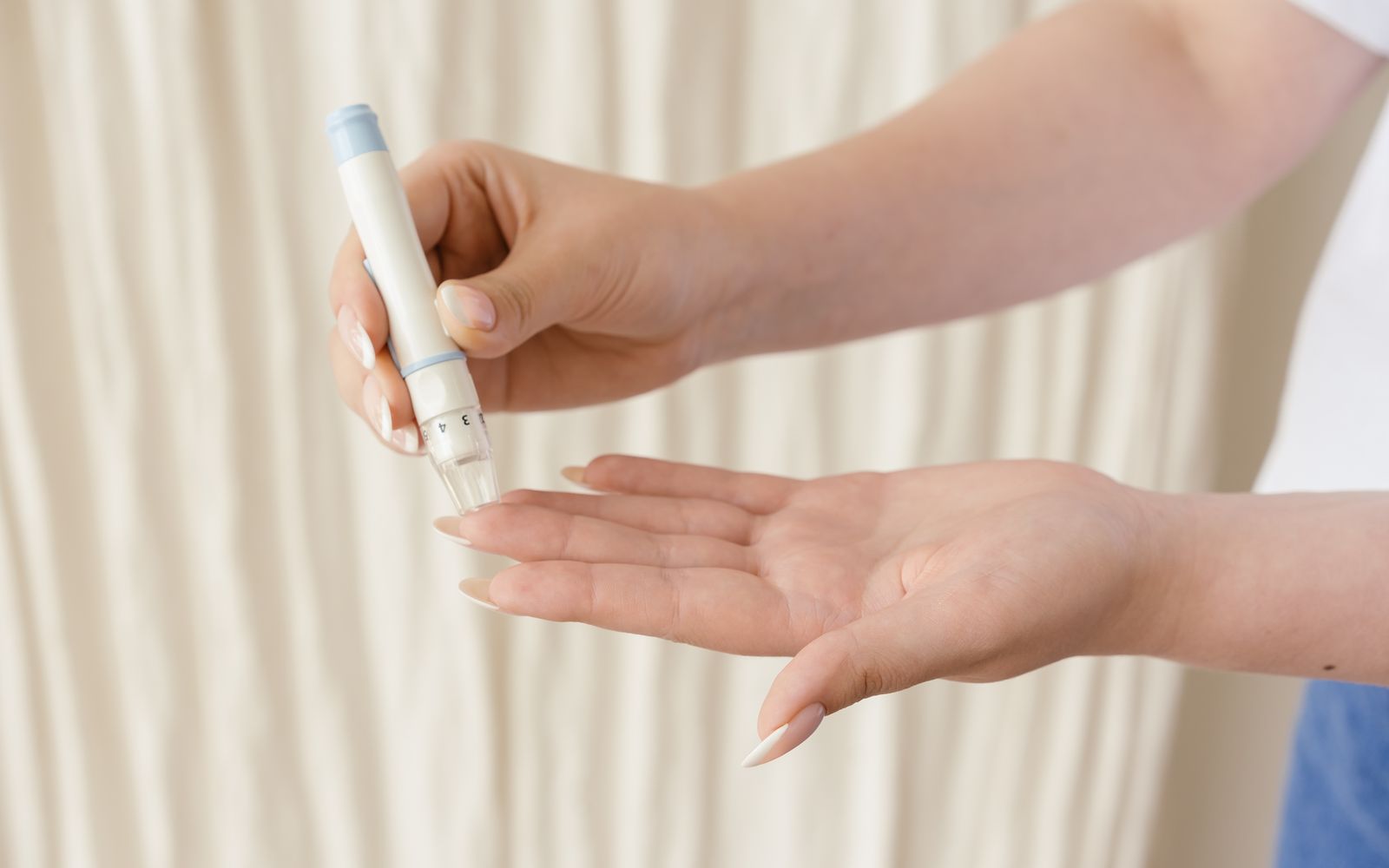
Air pollution is not the first thing most people think of when they think about diabetes risk. It should be on the list. The Lancet Planetary Health estimates that PM2.5 exposure contributes to about 20 percent of new type 2 diabetes cases globally, making it a meaningful risk factor alongside diet, weight, and inactivity.
How polluted air affects blood sugar
PM2.5 enters the bloodstream and triggers chronic low-grade inflammation. That inflammation is one of the same biological processes that drives insulin resistance, the underlying problem in type 2 diabetes.
Animal studies show that long-term PM2.5 exposure promotes visceral fat accumulation, disrupts insulin signaling in the liver, and changes how fat tissue processes glucose. Human studies show measurable changes in fasting glucose, insulin sensitivity, and HbA1c in people with high pollution exposure.
The effects are stronger in people who already have other diabetes risk factors. Pollution does not cause diabetes on its own in most people, but it pushes risk higher and makes existing diabetes harder to manage.
What the research shows
A 2019 cohort study published in Diabetologia followed adults over years and found that higher long-term PM2.5 exposure was associated with a measurably higher rate of new type 2 diabetes diagnoses, even after controlling for diet, exercise, and obesity.
The Global Burden of Disease 2019 analysis found that the diabetes burden attributable to PM2.5 has grown about 50 percent since 1990, driven by population growth, aging, and continued PM2.5 exposure in many parts of the world.
For people who already have diabetes, short-term pollution spikes are linked to more hospitalizations for hyperglycemia and diabetic complications. The effect is larger in adults over 65.
Who is most at risk
- Adults over 45 with prediabetes or insulin resistance
- People with obesity or high visceral fat
- Those with a family history of type 2 diabetes
- People already diagnosed with diabetes, who may see worse blood sugar control
- Communities with chronically elevated PM2.5 (urban centers, areas near major roads, wildfire-prone regions)
What you can do
The standard diabetes-prevention playbook (regular exercise, weight management, fiber-heavy diet, less added sugar) still does the most for risk. Reducing pollution exposure is an additional lever, not a replacement.
Practical steps:
- Check the AQI and limit outdoor exercise on bad-air days, but do not skip exercise entirely; shift indoors
- Run a HEPA air purifier in the bedroom (you spend roughly a third of your day there)
- Avoid indoor combustion sources like wood stoves, candles, and gas burners without a vent hood
- If you live near a major road, prioritize filtration; traffic pollution is a particularly strong diabetes-risk signal
If you have prediabetes or diabetes, mention your pollution exposure to your doctor, especially if you live in a high-PM2.5 area. Wearing a continuous glucose monitor during a smoke event can show whether pollution affects your specific blood sugar patterns.
Routine A1C checks matter more in high-pollution settings. Catching glucose drift early gives you more time to adjust before it becomes a bigger problem.
Sources
- Estimates, trends, and drivers of the global burden of type 2 diabetes attributable to PM2.5 air pollution, 1990 to 2019, Lancet Planetary Health
- Long-term exposure to ambient fine particulate matter (PM2.5) and incident type 2 diabetes: longitudinal cohort study, Diabetologia
- Association between air pollution and type 2 diabetes: an updated review, PMC
- Air Pollution as a Risk Factor for Type 2 Diabetes, PMC
- Exposure to air pollution and the risk of type II diabetes mellitus: a time-series study, Frontiers in Endocrinology
This article is for educational purposes only. Canairy does not provide medical advice, diagnosis, or treatment. Talk to a qualified health professional about your specific situation.