Pollutant Guide
Asbestos Fibers
By Jason Curtis · 4 min read · Updated 2026-05-22
What it is
Asbestos is the name for six naturally occurring fibrous silicate minerals: chrysotile (white asbestos, by far the most common in commercial use), amosite, crocidolite, tremolite, anthophyllite, and actinolite. The fibers are strong, heat-resistant, and chemically stable, which made them useful in thousands of building products. When fibers become airborne and are inhaled, they can lodge in the lungs for decades.
Where it comes from
Asbestos was widely used in U.S. construction from the 1930s through the 1980s. It is still present in many buildings constructed before 1980, in materials including:
- Pipe and boiler insulation
- Vinyl floor tiles and the adhesive under them
- Sprayed-on textured ceilings (popcorn ceilings) installed before 1978
- Roofing felts, shingles, and siding (transite)
- Cement pipes
- Joint compound and plaster
- Vermiculite attic insulation from Libby, Montana (Zonolite)
- Brake and clutch linings on older vehicles
EPA finalized a rule in 2024 to ban the last ongoing U.S. use of chrysotile asbestos (mostly in chlor-alkali plants), with phaseouts extending several years. Mining of asbestos in the U.S. ended in 2002, but legacy materials remain in millions of homes, schools, and commercial buildings.
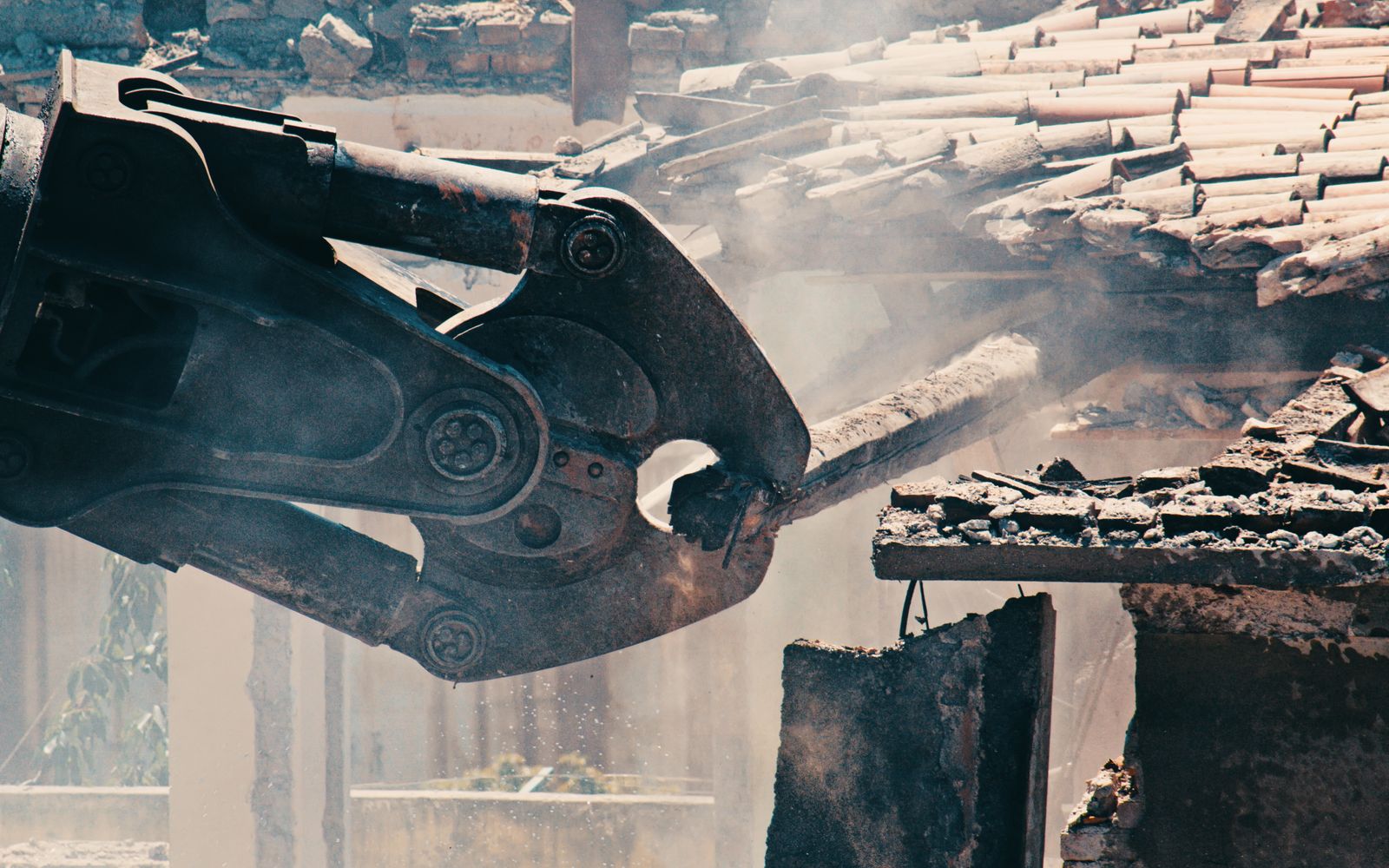
Intact asbestos materials in good condition generally do not release fibers. The danger comes when materials are disturbed by renovation, demolition, drilling, sanding, cutting, water damage, or aging deterioration.
Health effects
Asbestos is classified as a known human carcinogen by EPA, the U.S. Department of Health and Human Services, and IARC (Group 1). Inhaled fibers cause:
- Asbestosis: scarring of the lungs that causes progressive shortness of breath
- Lung cancer: risk multiplied many times over when combined with smoking
- Mesothelioma: a rare and almost always fatal cancer of the lining of the lungs (pleural), abdomen (peritoneal), or heart, almost exclusively caused by asbestos
- Cancers of the larynx and ovaries, and increased risk of stomach and colon cancer
There is no known safe level of asbestos exposure. Disease usually develops 10 to 40 years after exposure begins. Asbestos-related diseases kill roughly 40,000 Americans every year, including about 2,500 from mesothelioma alone.
How it's measured
Air sampling is done by drawing air through a filter and counting fibers under a phase-contrast microscope (PCM) or, more precisely, transmission electron microscopy (TEM). OSHA's permissible exposure limit (PEL) for workplaces is 0.1 fibers per cubic centimeter of air as an 8-hour time-weighted average, with a short-term excursion limit of 1.0 fiber per cubic centimeter over any 30-minute period. EPA's AHERA standard for schools after asbestos removal is 0.01 fibers per cubic centimeter as a clearance criterion.
Outdoor ambient air typically contains a small background level of asbestos fibers (often well under 0.0001 fibers per cubic centimeter), mostly from natural soil sources and legacy products.
What you can do
If you live in a home built before 1980, assume asbestos-containing materials may be present until tested. Leave intact materials alone, and do not sand, scrape, drill, or saw suspect material. If you plan to renovate or you find damaged material, hire a state-licensed asbestos inspector to sample and a licensed abatement contractor to remove or encapsulate it.
For workers in construction, plumbing, electrical, HVAC, and demolition, follow OSHA training, use respirators with P100 cartridges, and wear disposable coveralls. Auto mechanics should use HEPA enclosures for older brake work.
Sources
This article is for educational purposes only. Canairy does not provide medical advice, diagnosis, or treatment. Talk to a qualified health professional about your specific situation.