Daily Life
Baby and Nursery Air Quality
By Jason Curtis · 4 min read · Updated 2026-05-22
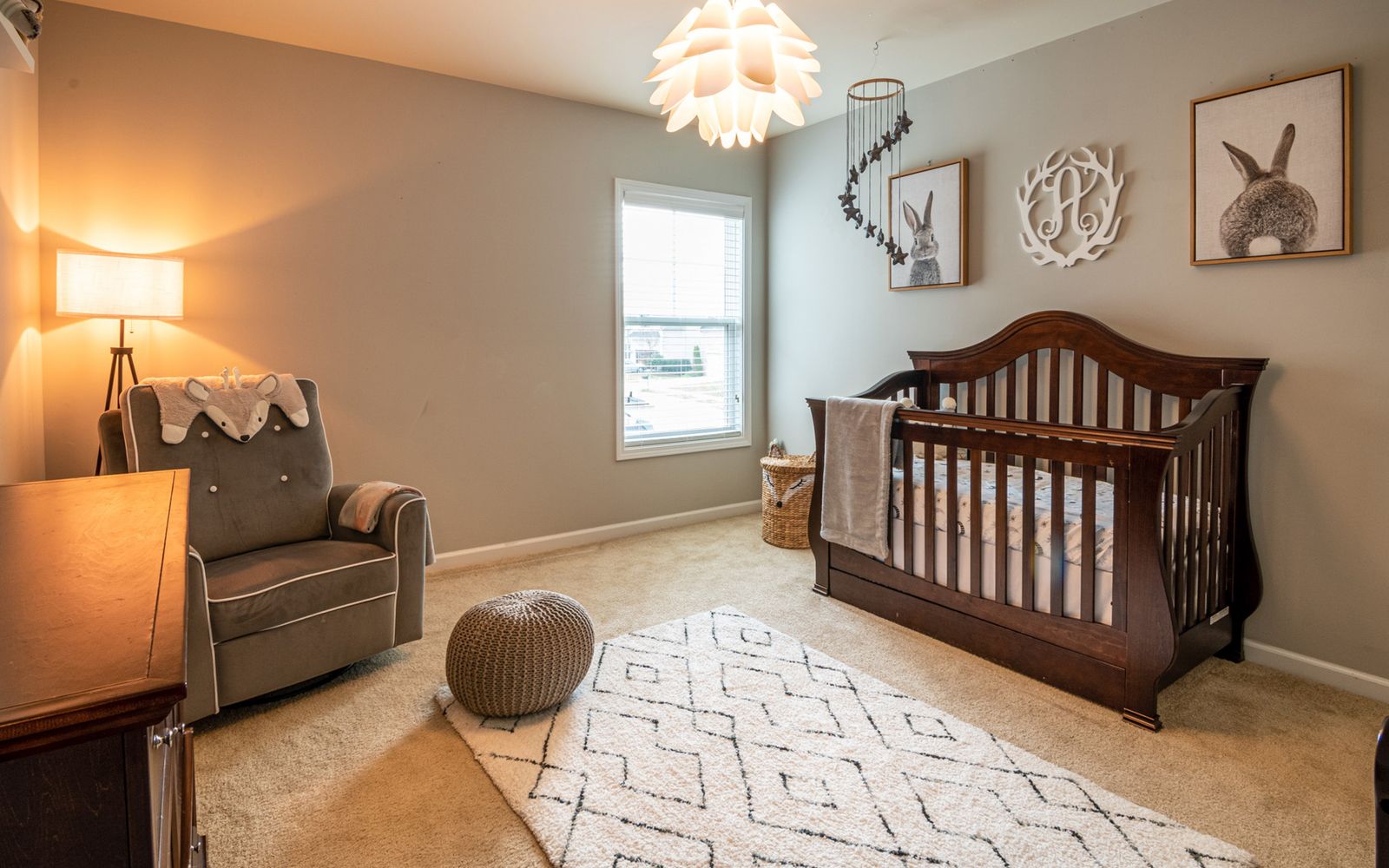
Babies breathe faster than adults and weigh less, so per pound of body weight, they get a bigger dose of whatever is in the air. Their airways and lungs are still developing through age 6 or so. The nursery is one of the easier places to get right.
Why this matters
A newborn breathes 30 to 60 times per minute. An adult breathes 12 to 20. Relative to body size, an infant moves about two to three times more air per kilogram of bodyweight than you do.
The American Academy of Pediatrics (AAP) links secondhand smoke exposure to elevated SIDS risk, more respiratory infections, ear infections, and asthma. The same evidence pattern is emerging for wildfire smoke and traffic pollution: infant exposure tracks to lower birth weights, more bronchiolitis, and reduced lung function later in childhood.
What the science says
A 2011 study of homes with infants found indoor levels of formaldehyde, NO2, and PM2.5 routinely exceeded outdoor levels, driven by gas cooking, cleaning products, and new furniture VOCs.
The AAP recommends staying indoors with windows closed during wildfire smoke events, running filtered air, and avoiding wood smoke, tobacco smoke, and barbecue smoke around children.
Most baby furniture (cribs, changing tables, dressers) and bedding (mattresses, foam) are common VOC sources. New items can release formaldehyde and other VOCs for weeks or months.
What to do this week
Set up the nursery before the baby arrives. Assemble furniture and bedding 4 to 6 weeks early so VOCs offgas while the room is empty. Air it out aggressively, windows open, fan on, before move-in day.
Run a HEPA purifier sized for the room. A 100 to 150 sq ft nursery needs a unit rated at least 100 CADR. Run it 24/7 on low or auto. Place it 6 feet from the crib (out of reach of curious hands later) and not pointed directly at the baby.
Skip the diffusers, plug-ins, candles, and "fresh" laundry boosters. All add VOCs and most have no benefit. If you want a smell, open a window when outdoor air is clean.
Hard rule: no smoking or vaping in the house, ever. Not in the garage. Not in another room with the door closed. Particles and nicotine residue (thirdhand smoke) linger on surfaces and re-emit for months.
Choose low-VOC paint for the nursery walls. Look for Greenguard Gold or similar certifications. Paint a few weeks early and air the room out.
Ventilate daily when outdoor air is decent. Even 15 minutes of cross-flow drops indoor pollutant levels. Check the AQI in the app first. If it's above 100 or there's smoke, keep windows closed and rely on the purifier.
Hold the bath products and powders. Baby powder containing talc or cornstarch creates inhalable particles. Skip it. Stick with fragrance-free lotion and wash.
Manage humidity. 40 to 50% is the target. Below 30%, congestion gets worse. Above 60%, mold and dust mites take off. A cool-mist humidifier in winter helps. Clean it weekly.
Move cooking PM out of the baby's path. Close the nursery door during heavy cooking. Run the kitchen hood and a purifier near the stove.
Quick checklist
- Furniture and paint installed 4 to 6 weeks before baby arrives
- HEPA purifier running 24/7, 6 ft from crib
- No candles, diffusers, plug-ins, scented detergent
- No smoking or vaping in the home, ever
- AQI checked before opening nursery windows
- Humidity 40 to 50%, humidifier cleaned weekly
- Nursery door closed during heavy cooking
Sources
- AAP: Smoke-Free Environments Toolkit
- CHOC: Kids and wildfire exposure: An ultimate guide
- Assessment of Indoor Air Pollution in Homes with Infants
- EPA: Protect Children's Health (indoor air)
- Followup in Southern California: Decreased Birth Weight following Prenatal Wildfire Smoke Exposure
- AAP Recommendations to Protect Children from Thirdhand Smoke
- EPA: Mold Course (humidity for child rooms)
This article is for educational purposes only. Canairy does not provide medical advice, diagnosis, or treatment. Talk to a qualified health professional about your specific situation.