Daily Life
Backyard Fires, Grilling, and Bonfires
By Jason Curtis · 4 min read · Updated 2026-05-22
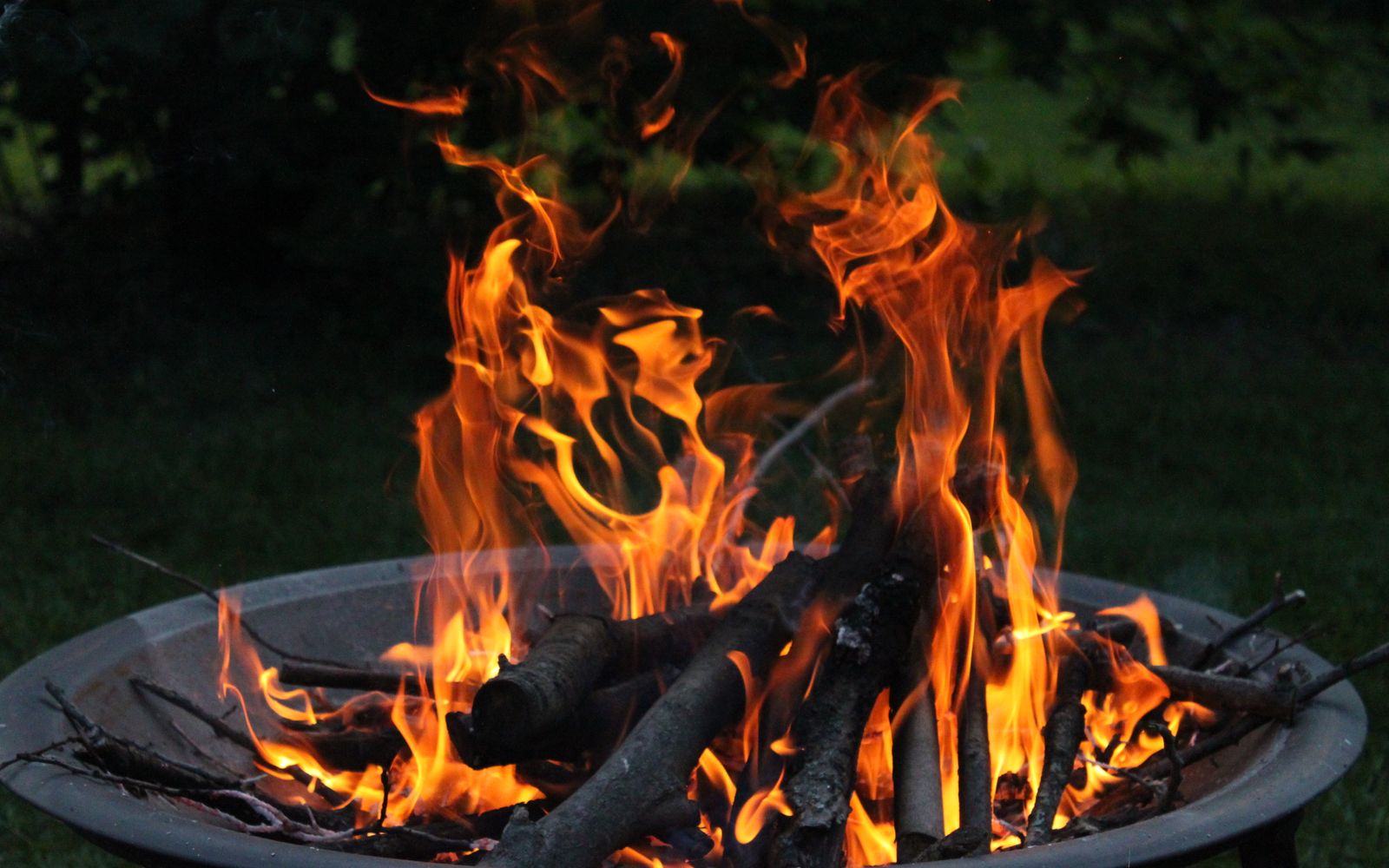
Open-air burning feels like outdoor activity, but it dumps PM2.5, CO, and PAHs right where you and your neighbors are sitting. A casual fire pit can outpollute a busy intersection within 10 feet.
Why this matters
A PurpleAir sensor outside a British Columbia home measured 206 µg/m³ of PM2.5 when a neighbor ran a wood-burning fire pit, against background levels under 5 µg/m³. The South Coast Air Quality Management District found particulate emissions from a single beach fire ring equal the secondhand smoke from about 800 cigarettes.
The EPA Burn Wise program flags wood smoke as a leading source of US fine particle pollution, especially in residential neighborhoods on calm winter nights.
PAHs (polycyclic aromatic hydrocarbons) are the other concern. They're produced when fat drips into flames or when wood smolders. Several PAHs are known or probable human carcinogens.
What the science says
Fuel matters a lot. A grill operator's daily PAH exposure was measured at 327 ng/d from lump charcoal, 402 ng/d from briquettes, and 0.04 ng/d from a gas grill. That's roughly a 10,000x difference. Charcoal also pushes far more PM2.5 than gas or propane.
Wood pit fires emit more than grills. A fire pit burning seasoned wood produces hundreds of µg/m³ of PM2.5 in the immediate seating area. Unseasoned (wet) wood is much worse, smoldering and choking the area.
Smoke drifts downwind into bedrooms and windows. Even small backyard fires regularly trigger neighbor PurpleAir sensors at 100+ µg/m³ a hundred feet away.
Burn bans exist for a reason. Many counties prohibit recreational burning during AQI advisories, fire weather, or inversion days. Check your local rules.
What to do this weekend
Choose the cleanest fuel. From cleanest to dirtiest: natural gas > propane > lump charcoal > briquettes > wood. A propane fire pit gives you the look and warmth with a fraction of the smoke.
Skip the fire when air quality is already bad. If outdoor AQI is over 100, or there's a burn ban, or there's a temperature inversion holding pollution near the ground, no fire. The smoke won't disperse and you'll dose yourself and neighbors hard.
Burn dry, seasoned hardwood only. Less than 20% moisture. A $20 moisture meter tells you. Pine, freshly cut, anything wet creates ten times the smoke for the same heat.
Build small, hot fires. Hot fires burn cleaner. Smoldering or oversized fires release multiples more PM and PAH.
Sit upwind. Position seating so prevailing wind carries smoke away from people. Re-arrange chairs if the wind shifts.
Keep the grill lid up when starting charcoal. Use a chimney starter, not lighter fluid (which adds VOCs). Let coals turn fully gray before cooking.
Don't let fat flame. Trim fat off meat before grilling. When flares start, move food to a cooler zone or close the lid briefly. Flare-ups create most of the PAHs that coat the food.
Close house windows on the smoky side before lighting. Even a small fire 20 feet from an open window can spike indoor PM2.5 for hours.
Check on neighbors. If you're in a tight neighborhood, consider their windows and air conditioning intakes. Switch to propane if your wood fire becomes a regular complaint.
Don't burn trash, leaves, treated wood, or pallets. Burning treated lumber releases arsenic, chromium, formaldehyde. Painted wood releases lead and other metals. Leaves release sulfur compounds and irritants.
Quick checklist
- Outdoor AQI under 100, no burn ban, no inversion
- Propane or natural gas preferred; wood only when conditions allow
- Hardwood, seasoned, under 20% moisture
- Chimney starter, never lighter fluid
- Seating upwind of the fire
- House windows closed on the smoky side
- No trash, leaves, painted or treated wood
- Neighbor consideration on calm nights
Sources
- EPA: Backyard recreational fires
- EPA: Wood Smoke and Your Health
- EPA: Burn Wise Facts & Figures + Health and Safety Tips
- Inhalation Exposure to PM-Bound PAHs from Gas, Lump Charcoal, and Briquettes
- Outdoor charcoal grilling: Particulate and gas-phase emissions
- The Environmental Dangers of Backyard Fire Pits (Scientific American)
- Utah Physicians for Healthy Environment: Health Consequences of Wood Smoke
- DSAWSP: Backyard recreational wood burning
This article is for educational purposes only. Canairy does not provide medical advice, diagnosis, or treatment. Talk to a qualified health professional about your specific situation.