Protection
Choosing a Mask for Smoke and Pollution
By Jason Curtis · 3 min read · Updated 2026-05-21
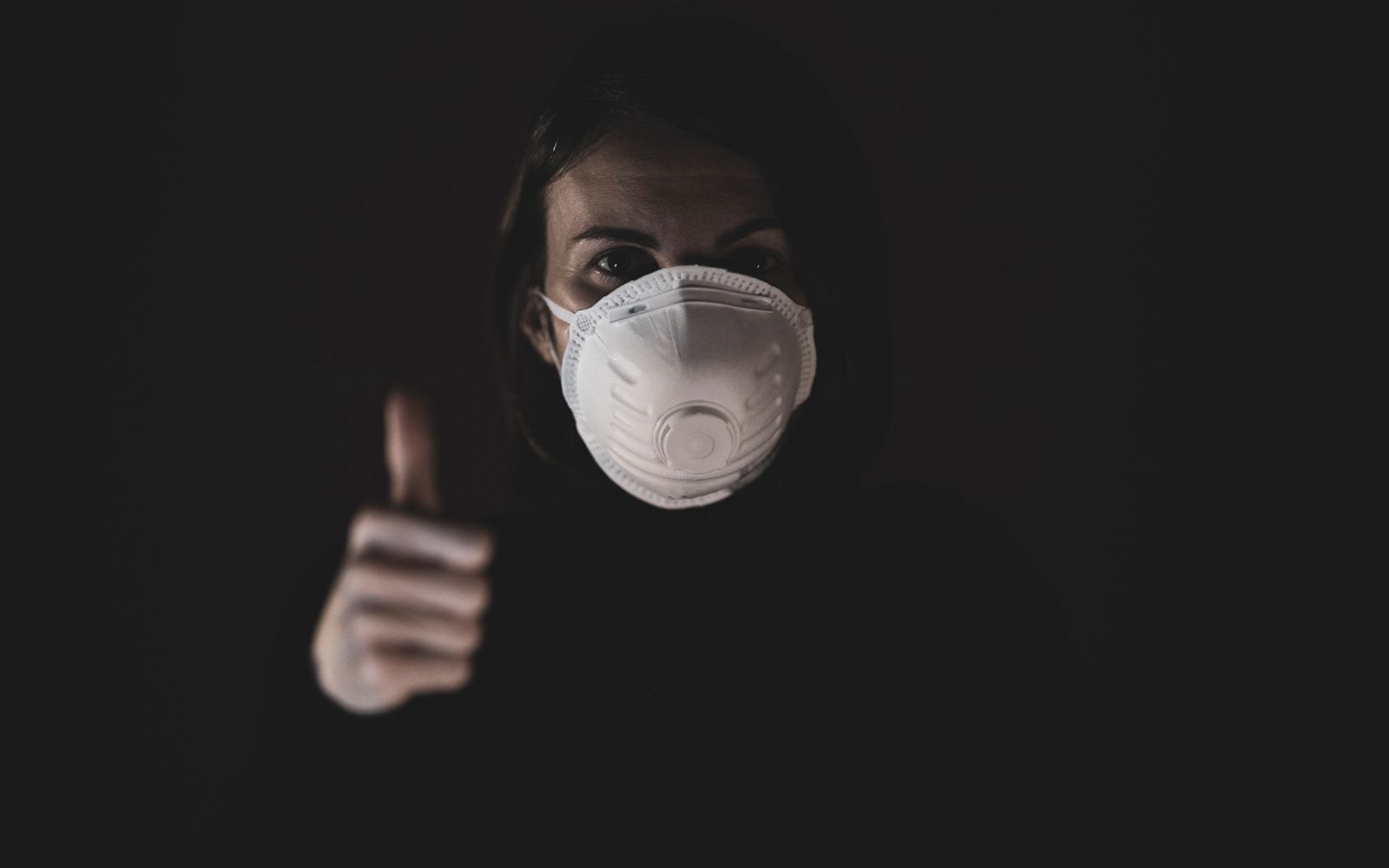
When the air gets bad, the right mask cuts your exposure to fine particles by 90% or more. The wrong one (or one worn loose) does almost nothing. Here's how to pick and wear one that actually works.
Why it matters
Wildfire smoke and traffic pollution carry PM2.5, particles smaller than 2.5 microns that lodge deep in the lungs and pass into the bloodstream. Cloth and surgical masks were designed to catch droplets, not these particles. NIOSH-rated respirators (N95, N99, P100) are designed to filter 95% to 99.97% of airborne particles, and that's what you want for smoke.
What to do
Pick a NIOSH-approved respirator
In the US, look for "NIOSH" printed on the mask along with the rating (N95, N99, P100). NIOSH approval means the mask was tested against the federal standard. Both head-strap N95s and ear-loop "boat style" or duckbill N95s are now NIOSH approved and widely available.
KN95 (Chinese standard) and KF94 (Korean standard) can perform as well as N95s when made by reputable manufacturers, but quality control varies. CDC research during the pandemic flagged a high counterfeit rate for KN95s. If you go this route, buy from a known brand and avoid no-name listings on big marketplaces.
Get the fit right
A mask only works if air goes through the filter, not around it. Two-strap masks seal better than ear loops. After putting it on:
- Pinch the nose wire firmly over the bridge of your nose.
- Run your hands around the edges and feel for leaks while you breathe in. The mask should pull inward.
- Beards break the seal. Even a few days of stubble cuts filtration significantly.
For kids and small faces, look for "small" or "kids" sizing. Adult N95s won't seal on a child.
Know when to swap
A surgical mask under a cloth mask is a COVID-era trick that doesn't help with smoke. One properly fitted N95 outperforms any cloth or surgical stack. Replace your N95 when it gets visibly dirty, hard to breathe through, or after about 40 hours of cumulative wear in smoky air.
What to avoid
- Cloth masks, bandanas, and standard surgical masks. They filter under 30% of PM2.5.
- N95s with exhalation valves if you're sick. The valve lets unfiltered air out, fine for smoke but not in shared indoor space.
- Wetting the mask. Moisture destroys the filter's electrostatic charge.
- Masks with "FDA approved" claims and no NIOSH label. FDA approval is for surgical masks, not respirators.
Quick checklist
- NIOSH-approved N95, N99, or P100 stamped on the mask.
- Two straps if possible, pinched nose wire, no leaks on inhale.
- Clean-shaven where the mask seals.
- Kid-sized for kids, not folded adult masks.
- Stock a box of 20 per household member before wildfire season.
- Swap when dirty, soggy, or after about 40 hours of use.
Sources
This article is for educational purposes only. Canairy does not provide medical advice, diagnosis, or treatment. Talk to a qualified health professional about your specific situation.