Pollutant Guide
Diesel Exhaust
By Jason Curtis · 4 min read · Updated 2026-05-22
What it is
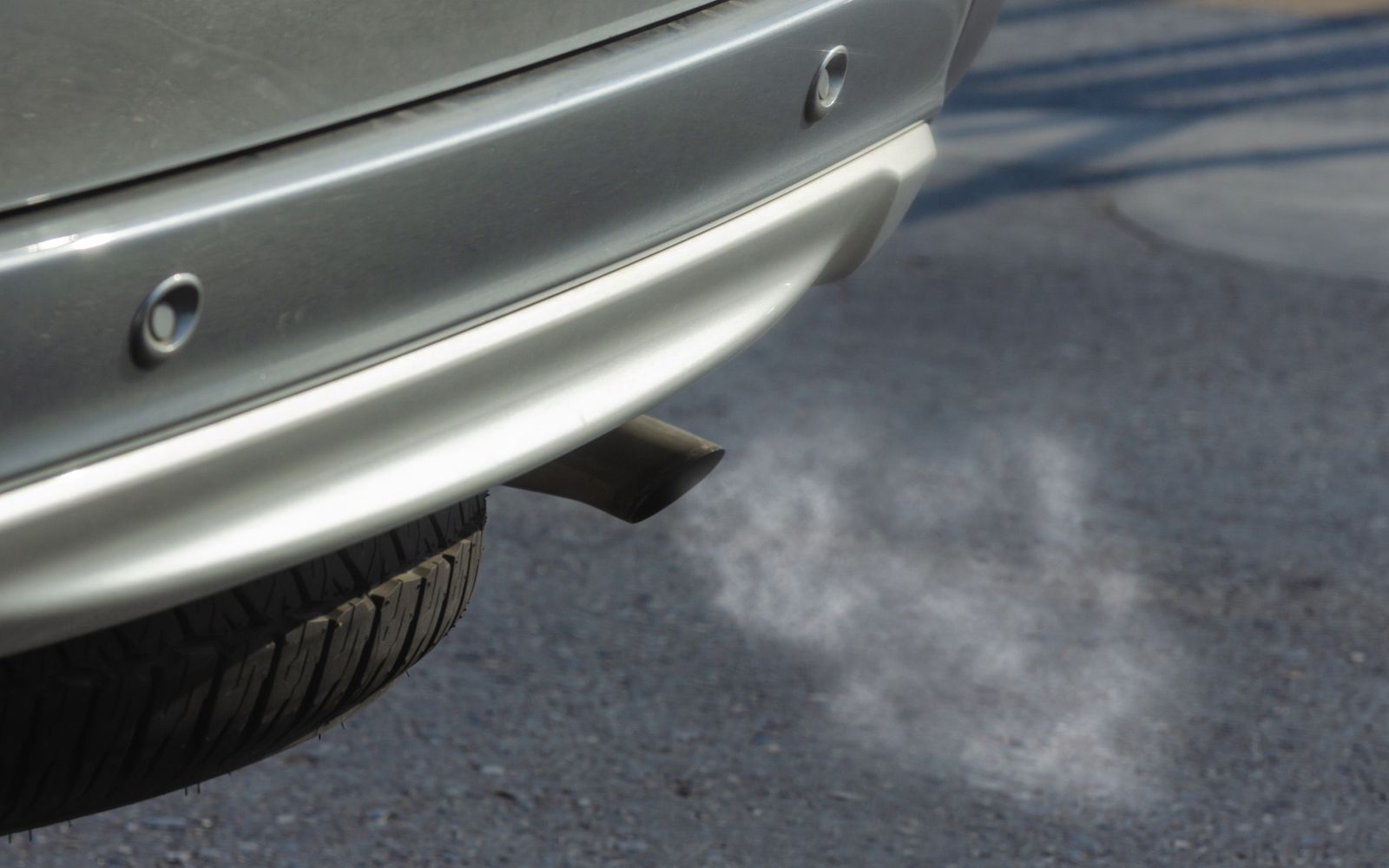
Diesel exhaust is the mix of gases and soot released when diesel fuel burns in trucks, buses, ships, locomotives, construction equipment, generators, and some passenger cars. It contains over 40 substances that EPA and the California Air Resources Board (CARB) classify as toxic air contaminants, including formaldehyde, benzene, 1,3-butadiene, and a long list of polycyclic aromatic hydrocarbons. The visible black soot is diesel particulate matter (DPM), most of which is in the PM2.5 size range and a large fraction is even smaller (ultrafine, under 0.1 micrometers).
Where it comes from
Heavy-duty trucks and buses account for the largest share of on-road diesel emissions. Off-road sources (construction equipment, agricultural tractors, ships, locomotives, backup generators) contribute a comparable amount. People who live or work near freight corridors, ports, rail yards, warehouses, and major freeways are exposed to much higher levels than the regional background. Idling trucks at loading docks, school bus depots, and drive-through lines also create localized hot spots.
Newer diesel engines built to 2007 and 2010 EPA standards emit roughly 90 percent less particulate matter than older models thanks to diesel particulate filters and selective catalytic reduction, but the legacy fleet of older trucks and equipment remains a major source.
Health effects
In 2012 the International Agency for Research on Cancer (IARC) classified diesel engine exhaust as Group 1, carcinogenic to humans, based on sufficient evidence for lung cancer and limited evidence for bladder cancer. The U.S. National Toxicology Program lists diesel exhaust particulates as reasonably anticipated to be a human carcinogen.
Beyond cancer, diesel exhaust irritates the eyes, nose, throat, and lungs, triggers asthma attacks, and raises the risk of heart attack and stroke. CARB has estimated that diesel PM accounts for about 70 percent of the cancer risk from outdoor air toxics in California. Children living near busy diesel corridors show measurably reduced lung function compared with kids in less-exposed neighborhoods.
How it's measured
There is no separate national air quality standard for diesel exhaust, but it is captured indirectly through PM2.5 monitoring (EPA NAAQS: 9.0 micrograms per cubic meter annual, 35 micrograms per cubic meter 24-hour). For workplaces, NIOSH recommends keeping diesel particulate matter as low as possible and uses elemental carbon as a surrogate measurement. The Mine Safety and Health Administration sets a personal exposure limit of 160 micrograms of total carbon per cubic meter for underground miners.
Researchers use black carbon (BC) measurements to track diesel pollution specifically, because BC is mostly produced by diesel combustion in U.S. urban areas.
What you can do
If you live near a freeway, port, or rail yard, run a HEPA air purifier and keep windows closed during peak truck hours (often early morning). Vegetation barriers and solid walls between roadways and homes reduce ground-level diesel particulate by 30 to 60 percent. When driving in heavy traffic, set ventilation to recirculate.
If you work around diesel equipment, ask whether engines meet Tier 4 standards or have retrofitted particulate filters, avoid idling indoors, and wear a fitted N95 or P100 respirator in dense exhaust. Schools near freight routes can apply for EPA Clean School Bus funding to replace older diesel buses with electric or propane.
Sources
- Diesel Exhaust and Cancer Risk | American Cancer Society
- Diesel Engine Exhaust Carcinogenic | IARC
- Summary: Diesel Particulate Matter Health Impacts | California Air Resources Board
- Monitoring Diesel Exhaust in the Workplace | NIOSH
- Carcinogenic Effects of Exposure to Diesel Exhaust | NIOSH
- Health effects research and regulation of diesel exhaust | PMC
This article is for educational purposes only. Canairy does not provide medical advice, diagnosis, or treatment. Talk to a qualified health professional about your specific situation.