Protection
Pets and Air Pollution
By Jason Curtis · 4 min read · Updated 2026-05-21
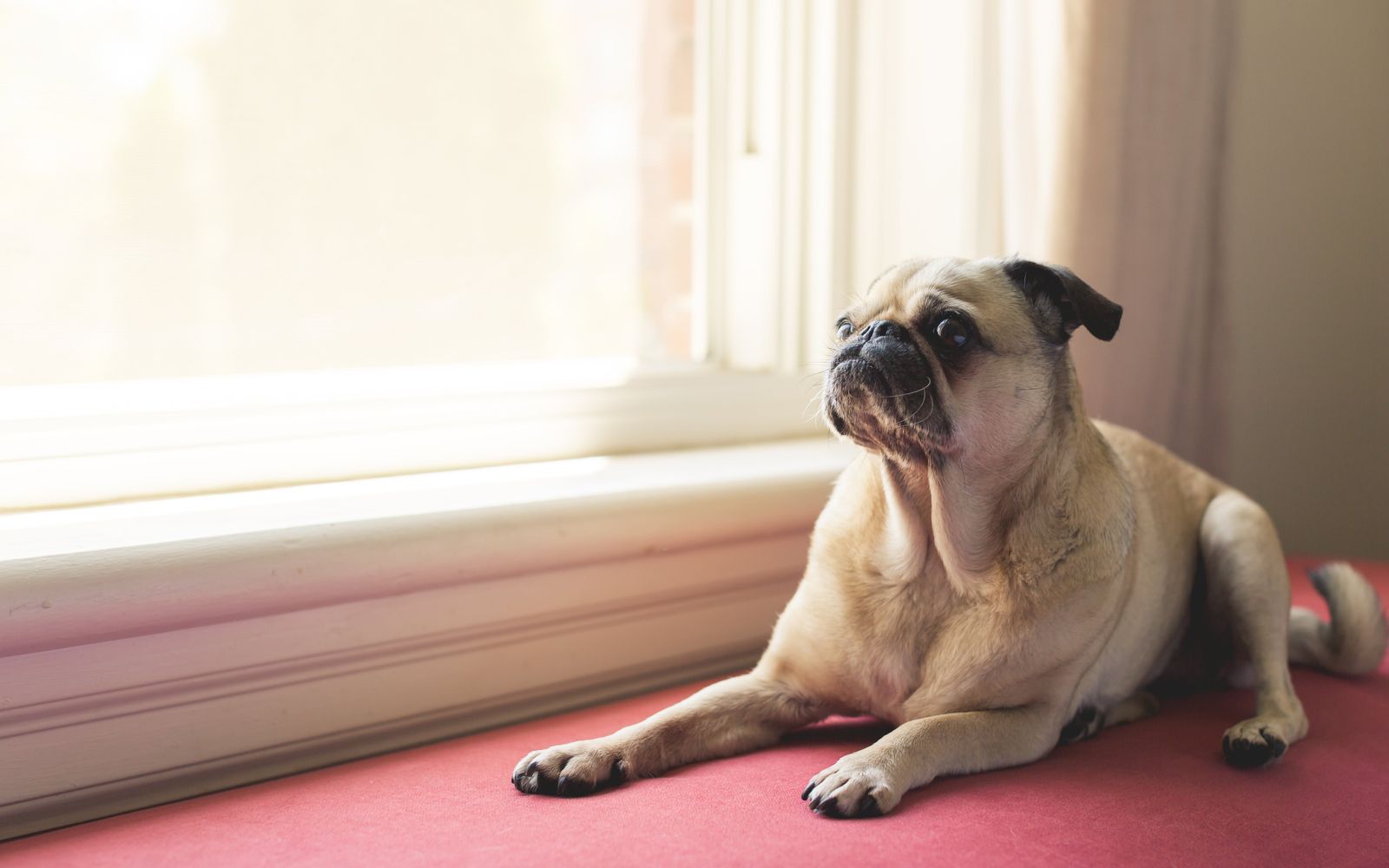
Pets breathe the same air you do, often closer to the ground where heavier particles settle, and they can't tell you when their chest hurts. Dogs, cats, birds, and small mammals all have more sensitive airways than humans, and birds are extremely vulnerable. Here's how to protect them on bad air days.
Why it matters
The American Veterinary Medical Association warns that wildfire smoke can trigger serious respiratory issues in pets, especially older animals and those with pre-existing heart or lung disease. Brachycephalic breeds (pugs, bulldogs, Persian cats) struggle more because their airways are already compromised. Birds are the canaries here, literally: their respiratory systems are so efficient at gas exchange that they absorb airborne toxins faster than mammals and can die from exposures that humans find merely uncomfortable.
What to do
Keep them inside on bad air days
Same AQI rules as for sensitive humans. Above AQI 100, limit outdoor time. Above 150, indoor only except for quick bathroom breaks. Above 200, even the quick trip should be as short as possible.
Cats are usually easy: keep them in. Dogs need bathroom breaks; do them fast, near the door, no extended walks or fetch. Skip the dog park.
Run the air filtration you already have
The HEPA purifier or HVAC upgrade you're using for yourself protects them too. Pets benefit most from clean air where they sleep (their bed, your bed if they share it, their crate). Put a purifier near those spots.
Birds get extra precautions
Move bird cages to the room with the cleanest air, ideally one with a HEPA purifier running. Never put a bird cage near a kitchen (cooking fumes, especially overheated Teflon, can kill birds in minutes). On smoke days, consider covering part of the cage to reduce drafts of smoky air from elsewhere in the house.
Watch for symptoms
Signs of smoke or pollution exposure in pets:
- Coughing, gagging, or retching.
- Difficulty breathing, open-mouth breathing in cats (always abnormal, always an emergency).
- Red or watery eyes.
- Reduced appetite or thirst.
- Lethargy beyond normal.
- Disorientation, stumbling.
- In birds: tail-bobbing, fluffed feathers, sitting on the cage floor.
Any of these means call the vet. Open-mouth breathing in a cat or any breathing change in a bird is an emergency, go now.
Hydration and rest
Push water. Smoke exposure is dehydrating. Skip the high-energy play sessions on bad days; let them rest. If your pet is on respiratory medication, talk to your vet about adjusting doses during prolonged smoke events.
What to avoid
- Long walks or runs with your dog on AQI 100 plus days. Their nose is closer to roadside exhaust and ground-level smoke.
- Leaving birds, rabbits, or other small mammals in a garage or porch during smoke events. Those spaces have minimal filtration.
- Using cooking sprays, scented candles, or strong cleaning products near pets, especially birds. These add to the indoor load.
- Assuming "they look fine" means they are fine. Pets hide symptoms longer than humans do.
Quick checklist
- Pets indoors above AQI 100, very limited outside time above 150.
- HEPA purifier near where they sleep.
- Birds in the cleanest room, never near the kitchen.
- Bathroom breaks short and close to the door for dogs.
- Watch for cough, breathing changes, lethargy, eye irritation.
- Open-mouth cat breathing or any bird breathing change = vet, now.
- Keep water topped up; skip high-energy play.
Sources
- Wildfire Smoke and Animals, American Veterinary Medical Association
- Veterinarians Warn of Wildfire Smoke Risks to Pets and Livestock, AVMA
- Protect Your Pets from Wildfire Smoke (Factsheet), AirNow
- Tips for Protecting Pets and Livestock from Poor Air Quality, dvm360
- Wildfire Smoke Endangers Animal Health, AVMA News
This article is for educational purposes only. Canairy does not provide medical advice, diagnosis, or treatment. Talk to a qualified health professional about your specific situation.