Pollutant Guide
PM2.5 Fine Particulate Matter
By Jason Curtis · 3 min read · Updated 2026-05-21
What it is
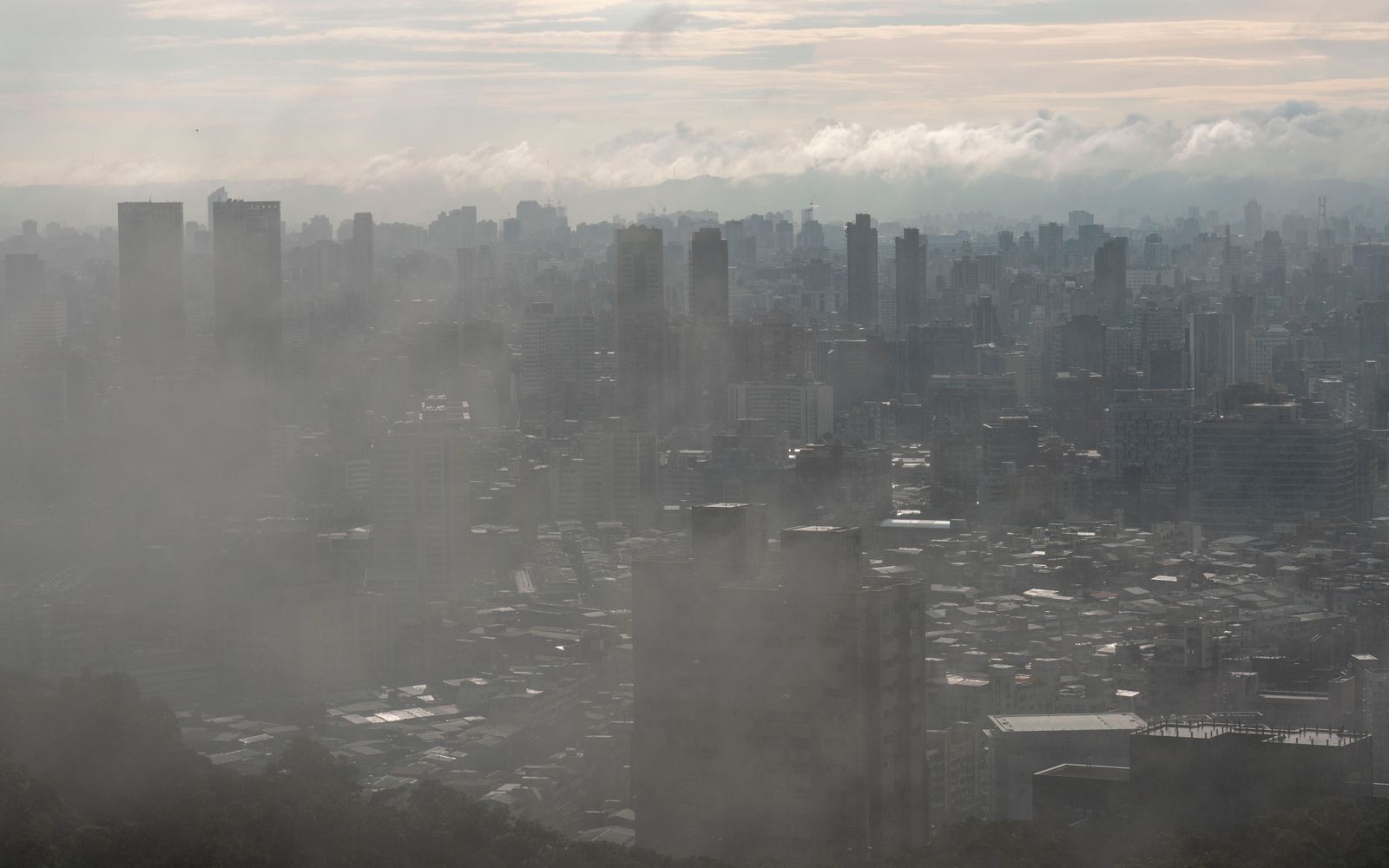
PM2.5 refers to fine particles in the air with a diameter of 2.5 micrometers or less. That is about 30 times thinner than a human hair. The particles are a mix of soot, sulfates, nitrates, organic chemicals, metals, and dust, often coated with other compounds that piggyback into the lungs.
Because the particles are so small, they bypass the nose and throat's normal filters. They reach the deepest air sacs in the lungs (the alveoli) and a fraction crosses into the bloodstream.
Where it comes from
Most PM2.5 in the United States comes from combustion. Major sources include vehicle exhaust (especially diesel), coal and natural gas power plants, industrial boilers, residential wood burning, and wildfires. Cooking, candles, and unvented gas stoves are common indoor sources.
PM2.5 also forms in the atmosphere when gases like sulfur dioxide, nitrogen oxides, and ammonia react in sunlight. This "secondary" PM2.5 can drift hundreds of miles from where the gases were emitted.
Health effects
Short-term exposure (hours to days) can trigger asthma attacks, heart attacks, irregular heartbeats, and emergency room visits for respiratory and cardiovascular problems. Long-term exposure is linked to reduced lung function, chronic bronchitis, lung cancer, low birth weight, and premature death from heart and lung disease.
Children, older adults, pregnant people, and anyone with asthma, COPD, heart disease, or diabetes face higher risk. The World Health Organization classifies outdoor particulate matter as a Group 1 carcinogen.
How it's measured and typical levels
PM2.5 is measured in micrograms per cubic meter of air (µg/m³). Sensors pull air through a filter or use light scattering to estimate mass concentration in real time.
Key benchmarks:
- WHO annual guideline: 5 µg/m³
- WHO 24-hour guideline: 15 µg/m³
- US EPA annual standard (NAAQS, updated 2024): 9 µg/m³
- US EPA 24-hour standard: 35 µg/m³
For context, a clean rural day might be 3 to 8 µg/m³. A bad winter inversion in a US city often runs 35 to 80 µg/m³. Wildfire smoke can push readings past 500 µg/m³.
What you can do
Check air quality before outdoor exercise. If PM2.5 is above 35 µg/m³, shorten outdoor workouts or move them indoors. Above 55 µg/m³, sensitive groups should stay inside.
Indoors, a portable HEPA air purifier sized for the room cuts PM2.5 quickly. Keep windows closed when outdoor levels are high. A well-fitted N95 or KN95 mask reduces inhaled PM2.5 by roughly 90% when outdoors during smoke events. Replace HVAC filters with MERV 13 or higher if your system can handle the airflow.
Sources
- National Ambient Air Quality Standards (NAAQS) for PM (US EPA)
- Final Reconsideration of the NAAQS for Particulate Matter (US EPA, 2024)
- WHO Global Air Quality Guidelines (2021)
- Health Effects of Particulate Matter (US EPA)
- ATSDR Particulate Matter Guidance (June 2024)
- IARC Outdoor Air Pollution Classification (Group 1 carcinogen)
This article is for educational purposes only. Canairy does not provide medical advice, diagnosis, or treatment. Talk to a qualified health professional about your specific situation.