Pollutant Guide
Wood Smoke from Home Fireplaces and Stoves
By Jason Curtis · 4 min read · Updated 2026-05-22
What it is
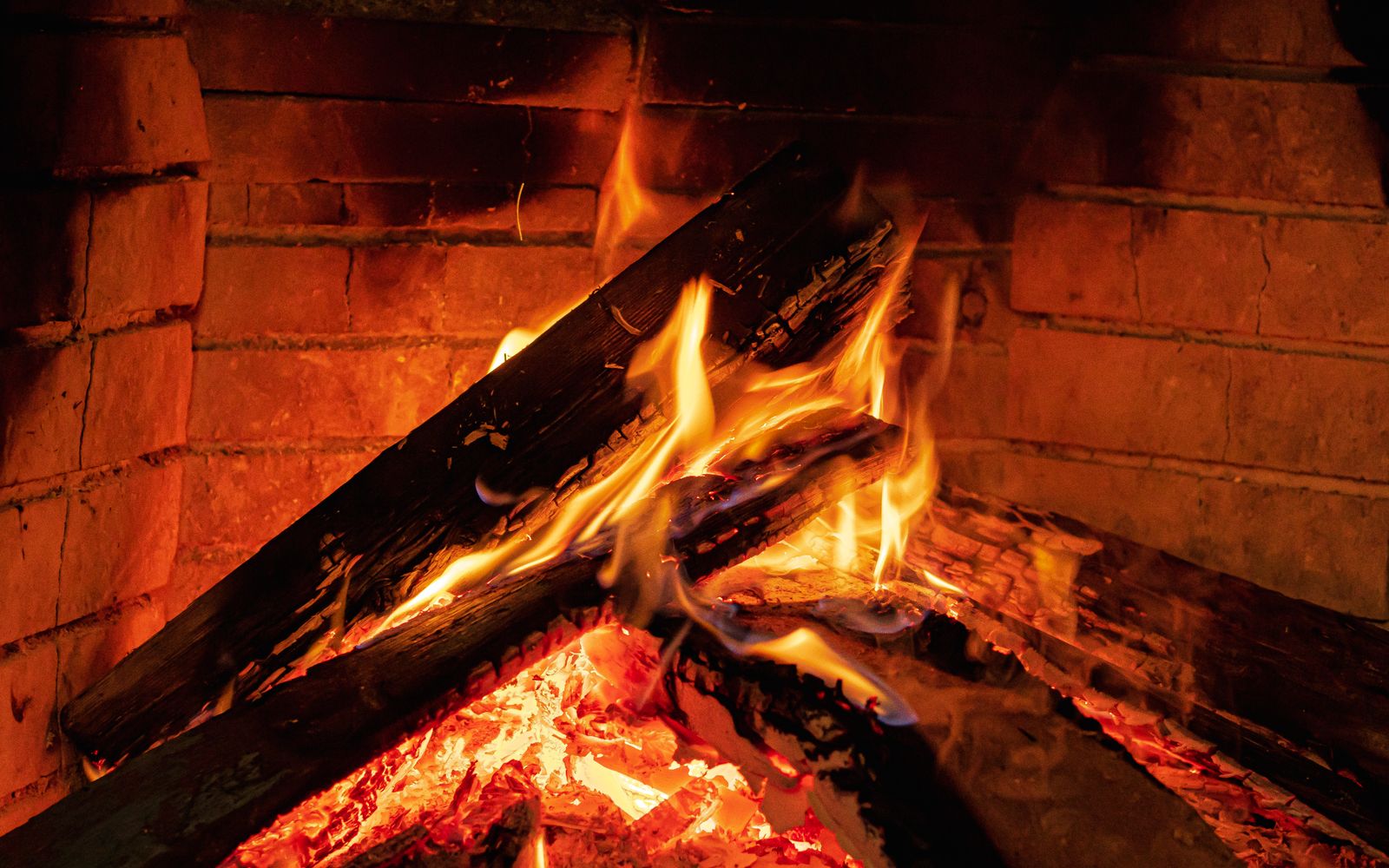
Wood smoke is the mix of gases and fine particles released when wood burns in a fireplace, wood stove, pellet stove, or outdoor wood boiler. The dominant pollutant is PM2.5, particles smaller than 2.5 micrometers across, small enough to reach deep into the lungs and pass into the bloodstream. Wood smoke also carries carbon monoxide, nitrogen oxides, volatile organic compounds, polycyclic aromatic hydrocarbons, and benzene.
Where it comes from
Residential wood burning is one of the largest single sources of PM2.5 in U.S. communities. According to EPA estimates, residential wood smoke produces more PM2.5 than all on-road cars and trucks combined, and roughly five times more than petroleum refineries, cement plants, and pulp and paper mills combined. Older non-certified stoves and open fireplaces are the worst emitters. A single old wood stove can emit 40 to 60 grams of PM2.5 per hour, while EPA-certified stoves (sold since 2020 under the updated New Source Performance Standards) are limited to 2.0 grams per hour for cordwood and 2.5 for crib wood.
Burning wet or unseasoned wood, garbage, treated lumber, or cardboard makes emissions much worse. Smoke from one neighbor's chimney can raise PM2.5 levels in surrounding homes by 10x or more.
Health effects
Short-term exposure to wood smoke triggers coughing, eye irritation, headaches, and asthma attacks. PM2.5 from wood smoke has been linked to heart attacks, strokes, irregular heartbeat, and increased emergency room visits during the burning season.
Children, older adults, pregnant people, and anyone with asthma, COPD, or heart disease face the highest risk. Studies have measured higher rates of acute respiratory infection in children living in homes that burn wood. Long-term exposure is associated with reduced lung function and higher mortality from cardiovascular and respiratory disease.
How it's measured
Wood smoke is tracked through PM2.5 monitoring. The EPA's annual NAAQS for PM2.5 is 9.0 micrograms per cubic meter (lowered from 12.0 in 2024). The 24-hour standard is 35 micrograms per cubic meter. During heavy residential burning, neighborhood PM2.5 can spike well past 100 micrograms per cubic meter on cold still nights, especially in valleys where smoke pools.
Wood smoke also contains levoglucosan, a chemical marker researchers use to confirm wood combustion as the PM2.5 source rather than diesel or other combustion.
What you can do
If you heat with wood, upgrade to an EPA-certified stove or insert and burn only dry seasoned wood (moisture content under 20 percent, checked with a wood moisture meter). Hot fast fires produce less smoke than smoldering ones. Never burn trash, plastic, painted or treated wood, or wet wood.
If a neighbor's smoke is reaching your home, close windows, run a HEPA air purifier in the room you spend the most time in, and seal gaps around windows and doors during burn season. Many cities and air districts (including parts of California, Washington, and Oregon) issue burn ban notifications when PM2.5 forecasts are high. Consider switching to gas, electric, or heat pump heating if you have the option.
Sources
- Wood Smoke and Your Health | US EPA
- Burn Wise: Facts & Figures + Health and Safety Tips | US EPA
- Frequent Questions about Wood-Burning Appliances | US EPA
- Overview of Final Updates to Air Emissions Requirements for New Residential Wood Heaters | US EPA
- Assessment of EPA's Residential Wood Heater Certification Program (NESCAUM)
This article is for educational purposes only. Canairy does not provide medical advice, diagnosis, or treatment. Talk to a qualified health professional about your specific situation.