Air quality news
LA Warehouse Fire Smoke and Western Smoke Over Colorado — June 22, 2026
Canairy · 5 min read · 2026-06-22
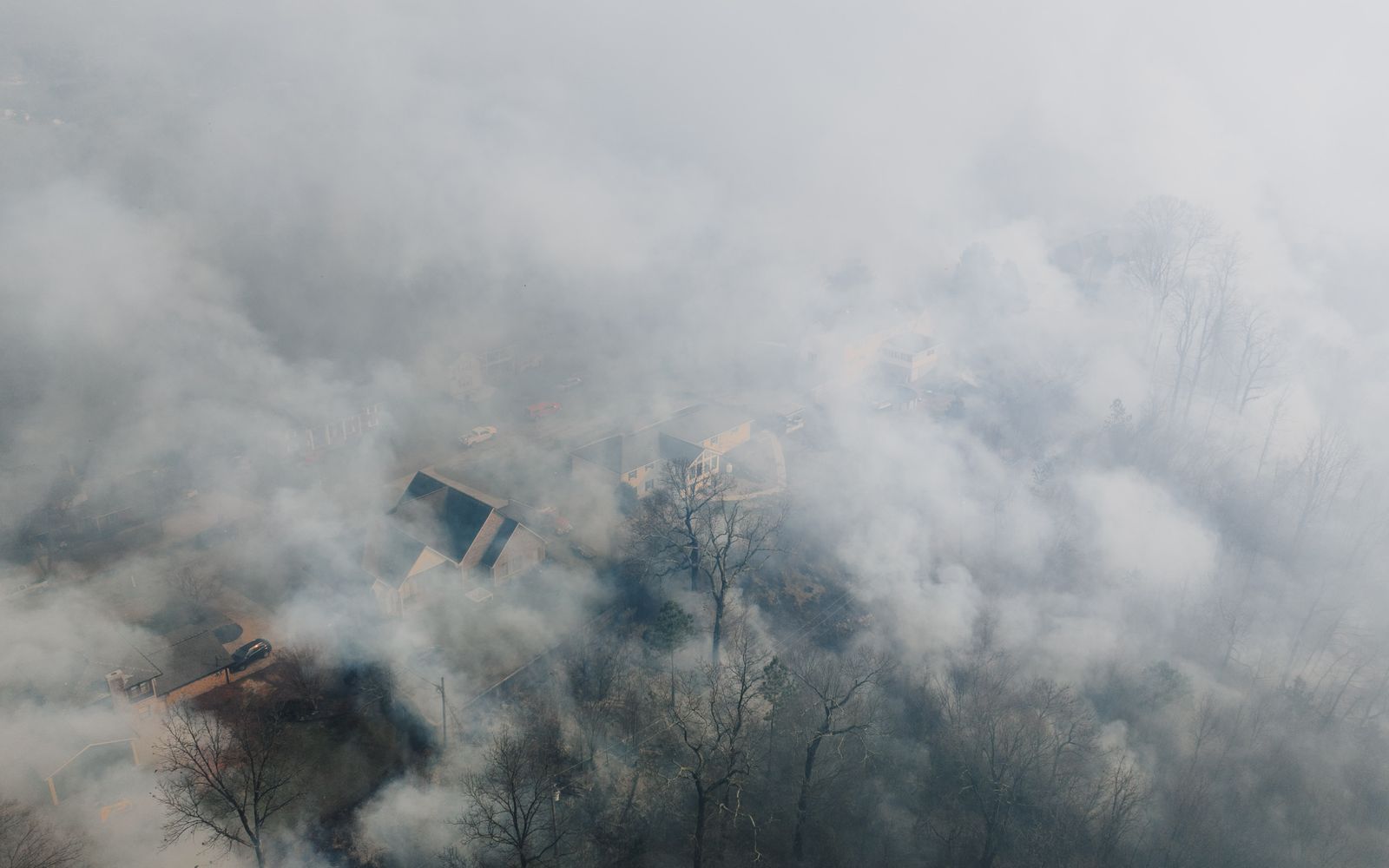
A stubborn industrial fire in Los Angeles is the air quality story of the day, but it isn't the only one. Wildfire smoke is spreading across the West, and fresh research helps explain why fire seasons keep getting harder. Here's a plain-English look at what's in the air.
A Boyle Heights warehouse fire is still fouling LA's air
A fire at a Lineage Logistics cold storage warehouse in LA's Boyle Heights neighborhood has been burning since June 17 and is now into its sixth day, with smoke pushing across Southern California and air quality reaching unhealthy levels, Bloomberg reports.
LA Fire Chief Jaime Moore said crews are pouring roughly 12,000 gallons of water per minute onto the blaze and hope to have it fully extinguished by the middle of the week, according to KABC. The South Coast Air Quality Management District extended a particle pollution advisory into Tuesday, and county health officials urged people in the smoke's path to stay indoors, keep windows and doors closed, and wear a high-quality mask outside, the LA Times reports.
Conditions have been uneven: the county health officer said some areas that were unhealthy a day earlier had improved to good or moderate, while others remained very unhealthy. The city said it has handed out around 23,000 masks and more than 500 air purifiers, and several LAUSD schools were temporarily relocated as a precaution, KABC reported. If you're nearby, officials recommend checking the South Coast AQMD's online map, since the air can differ block to block.
Western wildfire smoke is drifting into Colorado
Smoke from three large wildfires in Utah and Nevada pushed across Colorado's Western Slope over the weekend, and the state's health department says hazy skies could continue at times this week, the Aspen Times reports. The smoke has been light to moderate so far — not enough to trigger public health advisories — but conditions can shift quickly.
The bigger picture is busier than usual: wildfires have burned roughly 2.7 million acres nationwide this season, about 160% more than the 10-year average for this point in the year, and the National Interagency Fire Center has raised its preparedness level to 3 of 5.
Why California's worst fires are becoming the norm
A study published in the Proceedings of the National Academy of Sciences found that the amount of forestland burning each year in California has risen roughly 1,000% over the past 40 years, driven largely by high-severity fire — the kind that climbs into the treetops and kills mature trees, Gizmodo reports. That class of fire was relatively rare until it became the most common in 2012.
The stakes are tangible: high-severity blazes in 2020 and 2021 killed an estimated 10% to 20% of the world's giant sequoias. The state has more than doubled its investment in prevention and is aiming to treat understory fuels across a million acres a year, largely through prescribed and cultural burns.
An early warning for the late-summer fire season
In Northwest Montana, local weather and climate experts point to heat waves and thunderstorms driving up wildfire risk heading into late summer, the Daily Inter Lake reports. It's a good reminder that even where the air is clear today, fire-prone regions are heading into their riskiest stretch — a fine time to check that your air purifier still has a working filter.
Sources
- 'This crisis is not over.' Boyle Heights fire, air pollution continue — Los Angeles Times
- Chief says goal is to extinguish Boyle Heights warehouse fire by midweek — KABC-TV
- Los Angeles Warehouse Fire Casts 'Gotham City' Shadow Across Sky — Bloomberg
- Colorado could see more haze this week from wildfires burning elsewhere in the West — The Aspen Times
- The Deadliest Kind of Wildfire Now Dominates California's Forests — Gizmodo
- Headlines: wildfire season warning for Northwest Montana — Kalispell Inter Lake
Canairy aggregates publicly reported air-quality and wildfire news and summarizes it in plain English, with links to the original sources. This is educational information, not medical or emergency advice. In a wildfire or air-quality emergency, follow guidance from local authorities.