Air quality news
Three Firefighters Killed on the Colorado-Utah Border — June 28, 2026
Canairy · 5 min read · 2026-06-28
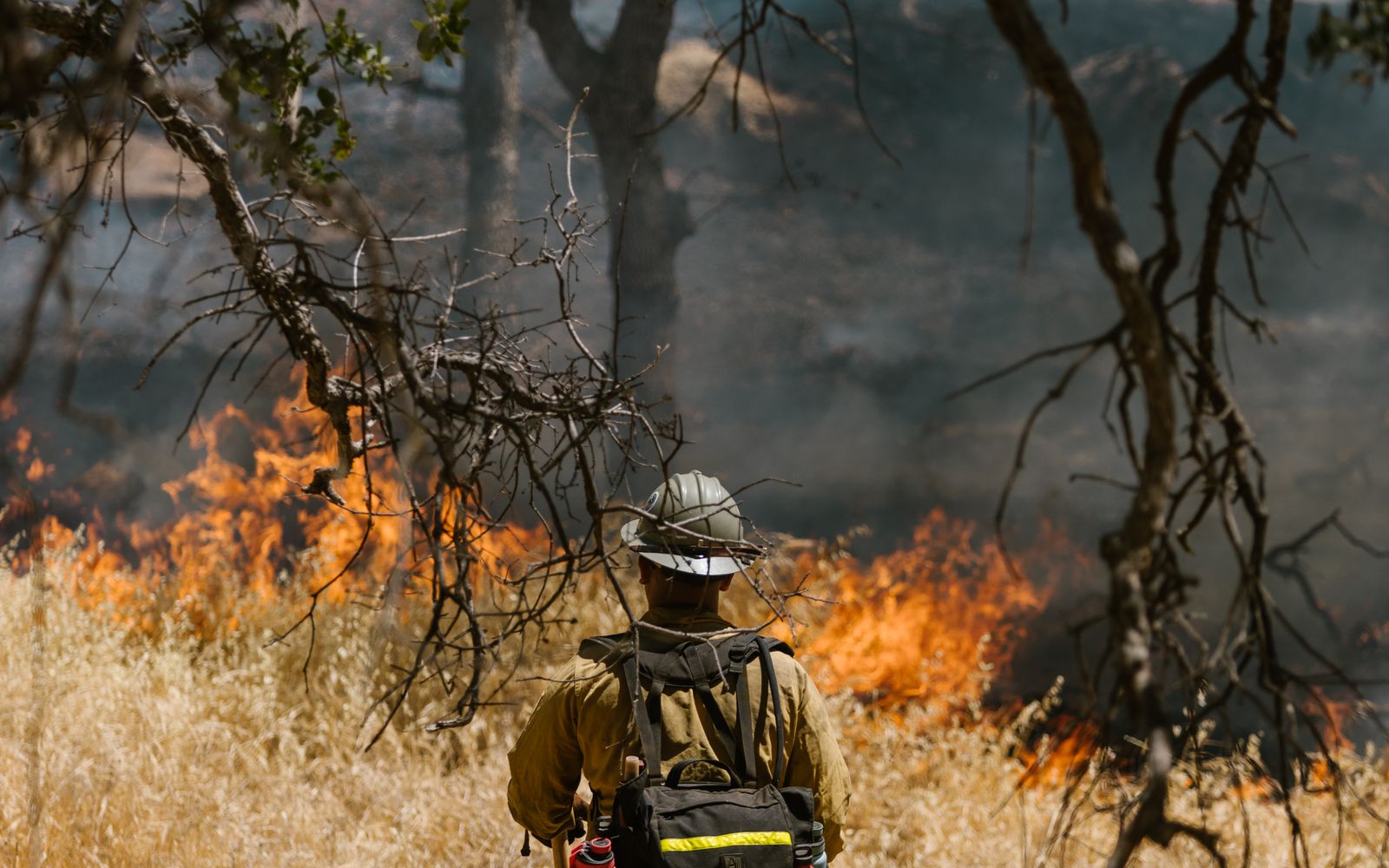
Wildfire activity spread quickly across the western United States over the weekend, driven by hot, dry and windy weather. The news today is heavy, with a firefighter tragedy, a state disaster emergency, and new restrictions heading into the holiday. Here is a plain-English roundup, with links to the original reporting.
Three firefighters killed on the Colorado-Utah border
Three firefighters were killed and two injured while responding to the Snyder wildfire along the Utah-Colorado border, Reuters reports, citing the U.S. Wildland Fire Service. The agency said the crews were part of an interagency response on Saturday and reported the deaths on Sunday.
According to Reuters, the fire began Saturday morning as the Snyder Mesa Fire in eastern Utah's Grand County before spreading into Colorado, where it merged with smaller fires in Mesa County. The fire had burned an estimated 28,000 acres at 0% containment, and evacuation warnings were issued for several smaller communities in Mesa County.
Colorado declares a disaster emergency and air-quality alert
An air quality alert was issued across large parts of western Colorado as the fires burned along the Utah-Colorado border, Newsweek reports. Colorado Governor Jared Polis issued a state disaster emergency declaration on Saturday, June 27, and authorized the Colorado National Guard to support the response.
Newsweek reports that an interagency fire unit was responding to roughly eight confirmed wildfires following lightning in the previous 24 hours, with additional fires reported elsewhere on the Western Slope. When smoke settles into nearby communities, it is a sensible time to keep windows closed and check local air-quality guidance before spending long stretches outdoors.
Explosive fire growth across the West
The largest blaze, the Cottonwood Fire in rugged terrain in southwest Utah, ballooned Saturday to more than 144 square miles, destroying part of a ski resort and summer cabins, the Associated Press reports. Governor Spencer Cox described the situation as bleak while thanking crews for what he called "several miraculous stops and saves."
The activity was not limited to Utah and Colorado. The Atlanta Journal-Constitution reports that evacuations were ordered north of Flagstaff, Arizona, with a separate fire burning south of the Grand Canyon, and that fires were also burning in Nevada, New Mexico, Colorado and Florida.
Utah restricts July 4 fireworks
With Utah facing one of its most dangerous wildfire seasons in recent memory, state officials imposed sweeping restrictions on Fourth of July fireworks, CNN reports. Governor Cox called the decision difficult but said this year is different, citing a historic drought and unprecedented fire behavior.
State officials said more than three-quarters of Utah's wildfires this season were sparked by people. Forecasters issued the highest possible fire weather risk — a Level 3 of 3, "extremely critical" designation — across Utah and parts of northern Arizona and eastern Nevada, and the National Weather Service office in Salt Lake City issued its first-ever "particularly dangerous situation" red flag warning.
Gary residents push for cleaner steelmaking
Away from the wildfires, residents in Gary, Indiana are pressing U.S. Steel to bring cleaner technology to its 118-year-old Gary Works mill, the Chicago Tribune reports. Longtime resident Natalie Ammons, who became a clean-air activist after watching her great-grandchildren recover from asthma attacks, is part of a community group calling for change.
The Tribune reports that direct reduction furnaces, which operate at lower temperatures and burn natural gas, are one cleaner option. U.S. Steel is building such a facility in Arkansas but says it is too costly for Gary.
Sources
- Three firefighters killed, 2 injured in Snyder wildfire on Utah-Colorado border — Reuters
- Colorado Air Quality Alert As Wildfires Declared Disaster Emergency — Newsweek
- 3 firefighters killed, 2 injured while tackling wildfires on the Colorado-Utah border — Associated Press via Live 5 News
- Dry, windy conditions fuel explosive wildfire growth across western US — The Atlanta Journal-Constitution
- Wildfires cast a shadow over Utah's Fourth of July as fireworks are restricted — CNN via KRDO
- Gary residents say US Steel is jeopardizing jobs, air quality — Chicago Tribune
Canairy aggregates publicly reported air-quality and wildfire news and summarizes it in plain English, with links to the original sources. This is educational information, not medical or emergency advice. In a wildfire or air-quality emergency, follow guidance from local authorities.