Air quality news
Spain's Almeria Fire Stabilized and a New Sierra County Fire — July 12, 2026
Canairy · 5 min read · 2026-07-12
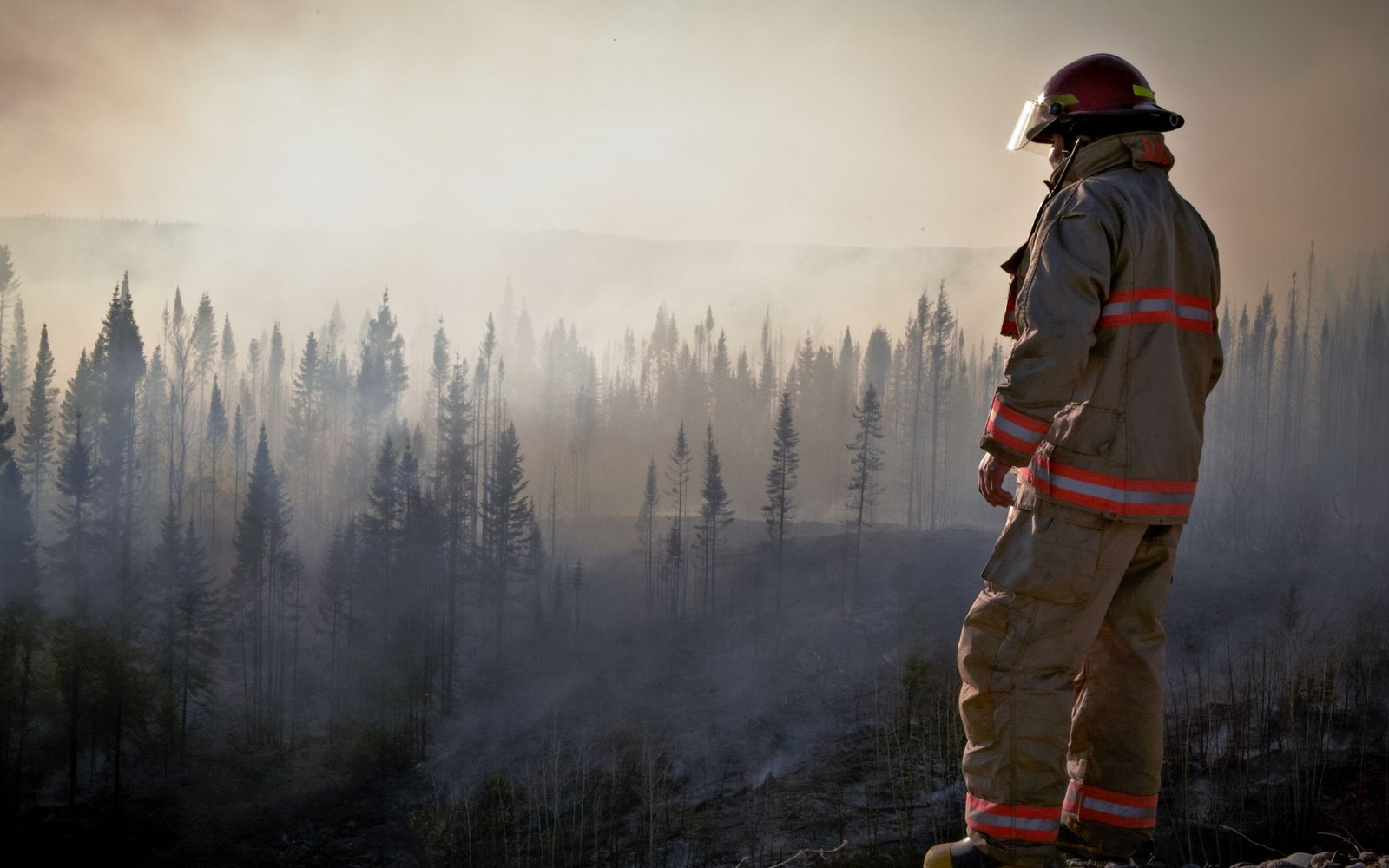
Most of today's news centers on southern Spain, where one of the country's deadliest wildfires is finally under control. Closer to home, a new fire is burning in California's Sierra Nevada, and communities in Colorado and Montana are doing the slower, quieter work of reducing fire risk before it arrives.
Spain's deadliest fire in years is stabilized; evacuees head home
Hundreds of firefighters, backed by helicopters and fixed-wing aircraft, spent the weekend containing a wildfire in Spain's Almería province that killed at least 12 people, as the Los Angeles Times reports. The fire broke out late Thursday near the Sierra de Los Filabres mountains and scorched some 25 square miles of forest and farmland — roughly the size of Manhattan — during Western Europe's third heat wave in six weeks. Authorities proactively evacuated 1,448 people from about 11 areas.
By Sunday the fire had been contained within its perimeter, and officials began letting roughly 1,500 evacuees return home in stages, according to a wire report. The head of Andalusia's regional government called it "the beginning of the end of a terrifying wildfire that has set records for how quickly it spread" — officials said flames moved at up to 100 meters per minute.
Family disputes the official account of evacuation warnings
Spanish authorities have said most victims died after ignoring shelter-in-place instructions. But the son of a Belgian man who died in the fire told Reuters that emergency services gave his father's group no guidance at all. "The people who died did not fail to follow any orders because no orders were given," Thomas-Wolf Verdonckt said after speaking with surviving neighbors in the village of Bédar. The regional government and Civil Guard did not immediately respond to his account.
However the details settle, the dispute is a reminder of how little time a fast-moving fire leaves. Knowing your evacuation routes before fire season is worth far more than deciding in the moment.
New fire burning fast in California's Sierra County
The Elephant Fire started Saturday afternoon in the Tahoe National Forest east of Loyalton, in California's Sierra Nevada, and has burned at least 200 acres at what the U.S. Forest Service calls a rapid rate, CBS News reports. The Sierra County Sheriff's Office says there is no immediate threat to the communities of Sierra Brooks or Loyalton, but it is monitoring the fire and will issue notifications if evacuation warnings become necessary. Air and ground resources have responded. If you're in the area, it's a good day to keep an eye on local alerts and your air quality readings.
Colorado trails close for fire mitigation near Cameron Pass
Two popular trails in State Forest State Park west of Fort Collins — the Michigan Ditch Trail and parts of the American Lakes Trail — will close starting July 13 through late fall for wildfire mitigation work, the Coloradoan reports. The work follows the 2020 Cameron Peak Fire, which burned more than 208,000 acres in the region. Park staff recommend the Ruby Jewel and Hidden Valley trails as alternatives. Jackson County is under Stage 2 fire restrictions, which prohibit campfires, charcoal grills, and other open flames outdoors.
Missoula-area project targets 87,000 acres of fire fuels
In Montana, the Lolo National Forest's Wildfire Adapted Missoula project would treat 87,000 acres around the Missoula area with a mix of prescribed burning, logging, tree thinning, and other hazardous-fuels reduction, the Missoulian reports. Projects like this are designed to lower the intensity of future fires near communities — and prescribed burns, when they happen, usually come with short, planned smoke impacts rather than weeks of it.
Sources
- Hundreds of firefighters battle wildfire in southern Spain that killed at least 12 — Los Angeles Times
- Evacuees allowed to return home after deadly wildfire in Spain stabilises — Breitbart News Network
- Son of Belgian wildfire victim disputes Spanish officials' account of warnings — Reuters
- Elephant Fire in rural Sierra County burns at rapid rate, USFS says — CBS News
- Popular Northern Colorado trails closing for fire mitigation work — Fort Collins Coloradoan
- Wildfire fuels project targets 87,000 acres in Missoula area — Missoula Missoulian
Canairy aggregates publicly reported air-quality and wildfire news and summarizes it in plain English, with links to the original sources. This is educational information, not medical or emergency advice. In a wildfire or air-quality emergency, follow guidance from local authorities.