Air quality news
France's Hottest Day and Fire Danger Shifts Toward Italy — July 29, 2026
Canairy · 4 min read · 2026-07-29
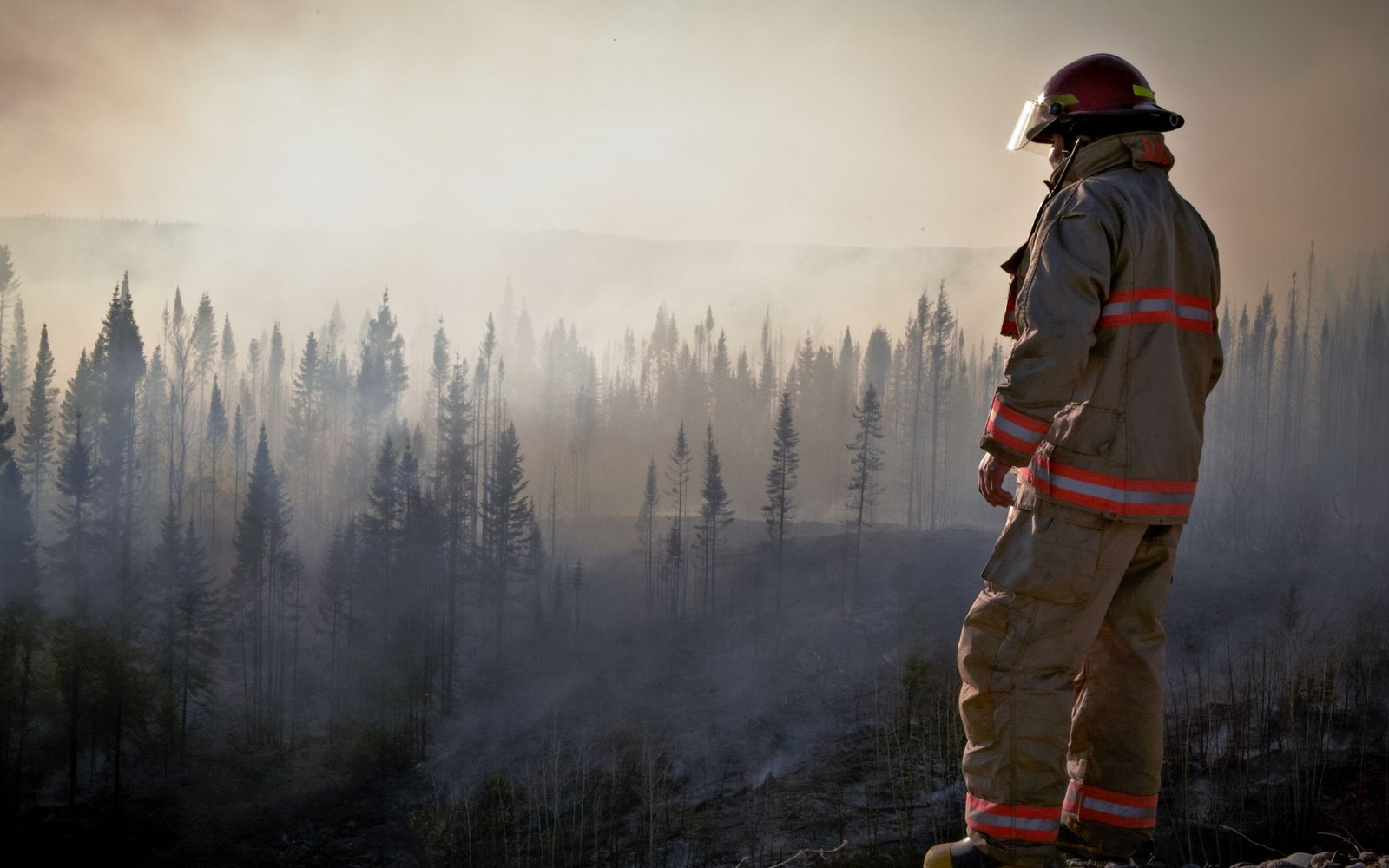
Southwest France is bracing for its hottest day of the week as firefighters try to hold the line on an uncontained blaze, while EU officials warn the same fire danger is now creeping east. Here's what was reported today.
France's hottest, driest day yet
Firefighters in the Gironde region battled an uncontained wildfire four times the size of Paris on Wednesday, with temperatures forecast to hit 104°F, Chicago Tribune reports. The blaze hadn't spread overnight, but rising heat and afternoon winds threatened to revive smoldering hot spots and open new fronts. More than 2,200 firefighters and over 20 aircraft remain mobilized, tracking three danger zones around Cap-Ferret, Marcheprime, and a military site near Martignas.
Météo-France said Wednesday would be the hottest and driest day of the week, with elevated wildfire danger across every region of the country. Drought now covers mainland France and Corsica, with soils nearing the record dryness reached in August 2022. Smoke from the Gironde and Landes fires has pushed particulate pollution higher across both departments, regional air-quality monitors said. Gironde authorities ordered 4,000 more people out of the area.
EU: the danger is shifting toward Italy and Greece
Greece, Italy, and Central Europe are set to face heightened wildfire risk in the coming weeks even as fires continue burning in France and Spain, Maria Zuber, head of the EU's Emergency Response Coordination Centre, said Wednesday, as Reuters reports. "The next risk, it's already moving to Greece and also Central Europe," Zuber told reporters. "Italy will face risk at the beginning of August."
Europe suffered its worst wildfire season on record last year, with more than a million hectares burned, and Zuber said this year's totals are tracking similarly so far. The EU's coordination center has already sent seven planes and four helicopters to France and six planes and three ground firefighting teams to Spain, with some aircraft now pre-positioned in eastern and central Europe as risk rises there.
Biscarrosse families come home to nothing
Residents of Biscarrosse, a beach town near the Cap Ferret peninsula that was evacuated last week, have begun returning to find some homes reduced to smoldering shells, Reuters reports. "There's nothing left," 18-year-old Raphael Fohanno said, describing the charred remains of his parents' house, where the family had lived for seven years.
More than 23,000 people were evacuated from the Biscarrosse district, including from a children's summer camp and an elderly care home. Interior Minister Laurent Nuñez said the Biscarrosse blaze took 550 firefighters and 450 police officers to bring under control. France's wildfire season has now displaced around 220,000 people in total, which President Emmanuel Macron has called the country's toughest wildfire crisis since World War Two.
How a wildfire can make its own thunderstorm
The Gironde fire grew so intense that its smoke column turned into a thunderstorm, generating lightning that struck the ground and ignited new fires beyond the original blaze, the Los Angeles Times reports. The phenomenon, called a pyrocumulonimbus, is rare in Europe and typically seen only in the most extreme fires in North America and Australia. France's national firefighters federation said it had never recorded one before.
"Imagine a campfire so large and hot that the smoke rising off it turns into a storm-like cloud," fire meteorologist Theodore M. Giannaros of the National Observatory of Athens told the Times. Hot, smoke-laden air rises rapidly from the flames, cools, and forms ice crystals whose collisions generate lightning, just as in an ordinary thunderstorm — except this one sits directly on top of the fire, pulling in fierce winds that can split flames into new fronts.
Sources
- France battles wildfire 4 times the size of Paris as soaring heat threatens new surge — Chicago Tribune
- Wildfire threat moving east, threatening Italy and Greece, EU says — Reuters
- 'There's nothing left': French wildfire survivors return to burnt homes — Reuters
- French wildfire created cloud unleashing lightning igniting more fires — Los Angeles Times
Canairy aggregates publicly reported air-quality and wildfire news and summarizes it in plain English, with links to the original sources. This is educational information, not medical or emergency advice. In a wildfire or air-quality emergency, follow guidance from local authorities.