Air quality news
Michigan's Smoke Bill and France Lets 200,000 Return Home — August 1, 2026
Canairy · 4 min read · 2026-08-01
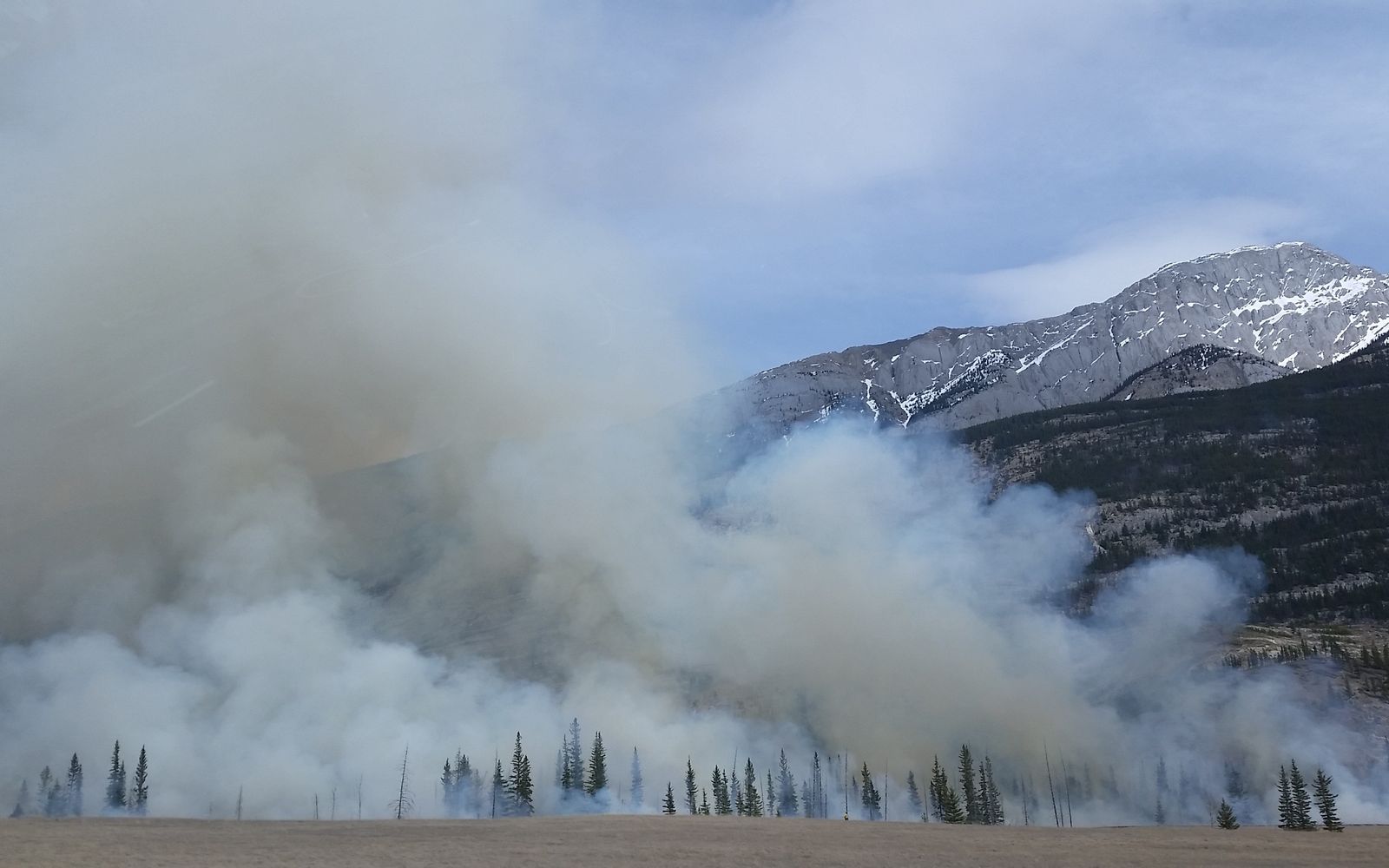
Today's roundup: the dollar cost of a smoky Michigan summer, a shifting wildfire picture across France and Greece, and some practical, general tips on keeping a home's landscaping from helping a fire along.
Michigan tallies a multi-billion-dollar smoke bill
Wildfire smoke that drifted into Michigan from fires in northeast Minnesota and Canada this July cost the state's tourism and hospitality industry more than $4 billion, according to a July economic analysis reported by MLive.
The losses were concrete and local: a Grand Haven restaurant lost over $50,000 after closing its patio for two days, Mackinac Island's Mission Point resort saw guests request refunds during three straight smoky days, and a Houghton hotelier reported bookings down 33% from last year. Jack Trebtoske of the Michigan Restaurant and Lodging Association told lawmakers smoke is now "a threat to our industry that didn't exist five years ago and now shows up every summer," and the group is asking the state for $3 million toward a fall tourism campaign to help recover. If smoke like this is becoming a regular part of Midwest summers, it's a good reminder that outdoor plans anywhere can get upended on short notice — worth checking air quality before committing to a patio reservation or a day on the water.
France lets 200,000 return home as new fires break out elsewhere
Firefighters held a large wildfire inside its perimeter in southwestern France on Saturday, letting about 198,000 people return home in what may have been the country's largest peacetime evacuation, the Associated Press reports. The Gironde fire has burned 420 square kilometers of pine forest west of Bordeaux — about four times the size of Paris — and while it's contained within that perimeter, officials haven't declared it "fixed," and buried hot spots remain a concern. The affluent Cap Ferret peninsula is still evacuated as a precaution.
Elsewhere, the relief was short-lived. A fire in the Mediterranean Var region that firefighters thought had stopped advancing raced across 10 square kilometers in six hours on Friday, described by the local prefecture as moving "faster than a horse at full gallop." In Greece, gale-force winds pushed flames through the coastal area between Athens and Thebes, forcing more evacuations. At their peak, fires in France and Spain together displaced roughly 330,000 people. The AP notes Europe is warming more than twice the global average since the 1980s, per the EU's Copernicus climate service, which is drying out vegetation and letting fires spread faster.
A wildfire-ready yard starts with the small stuff
With more than 43,000 fires having burned over 4.5 million acres in the U.S. so far this year, per the National Interagency Fire Center, MassLive looked at what actually makes a home vulnerable — and it's often small details, not the whole landscape. Jessamyn Hise of Fire Safe Marin in California points to things like "plants growing into eaves, wooden fences attached directly to the home, or debris tucked into the corners where no one thinks to look."
A LawnStarter report cited in the piece estimates about 2.5 million homes across 14 states, including California, Colorado, and Arizona, are at risk of wildfire damage. Recommended steps include swapping mulch near the house for rock or gravel, clearing gutters, removing dead plants, and spacing tree canopies at least 10 feet apart. Hise's advice: treat it as seasonal maintenance, not a one-time project — "you don't wait until wildfire season is underway to think about your landscape."
Sources
- Smoke-filled summer days cost Michigan billions. Tourism leaders want $3M to respond — MLive
- Many French return home after wildfires, but new blazes pop up — The Associated Press
- Is your lawn wildfire-ready? Here's what to know — MassLive
Canairy aggregates publicly reported air-quality and wildfire news and summarizes it in plain English, with links to the original sources. This is educational information, not medical or emergency advice. In a wildfire or air-quality emergency, follow guidance from local authorities.