Air quality news
Fires Merge North of Reno and British Columbia's Fire Grows — August 12, 2026
Canairy · 5 min read · 2026-08-12
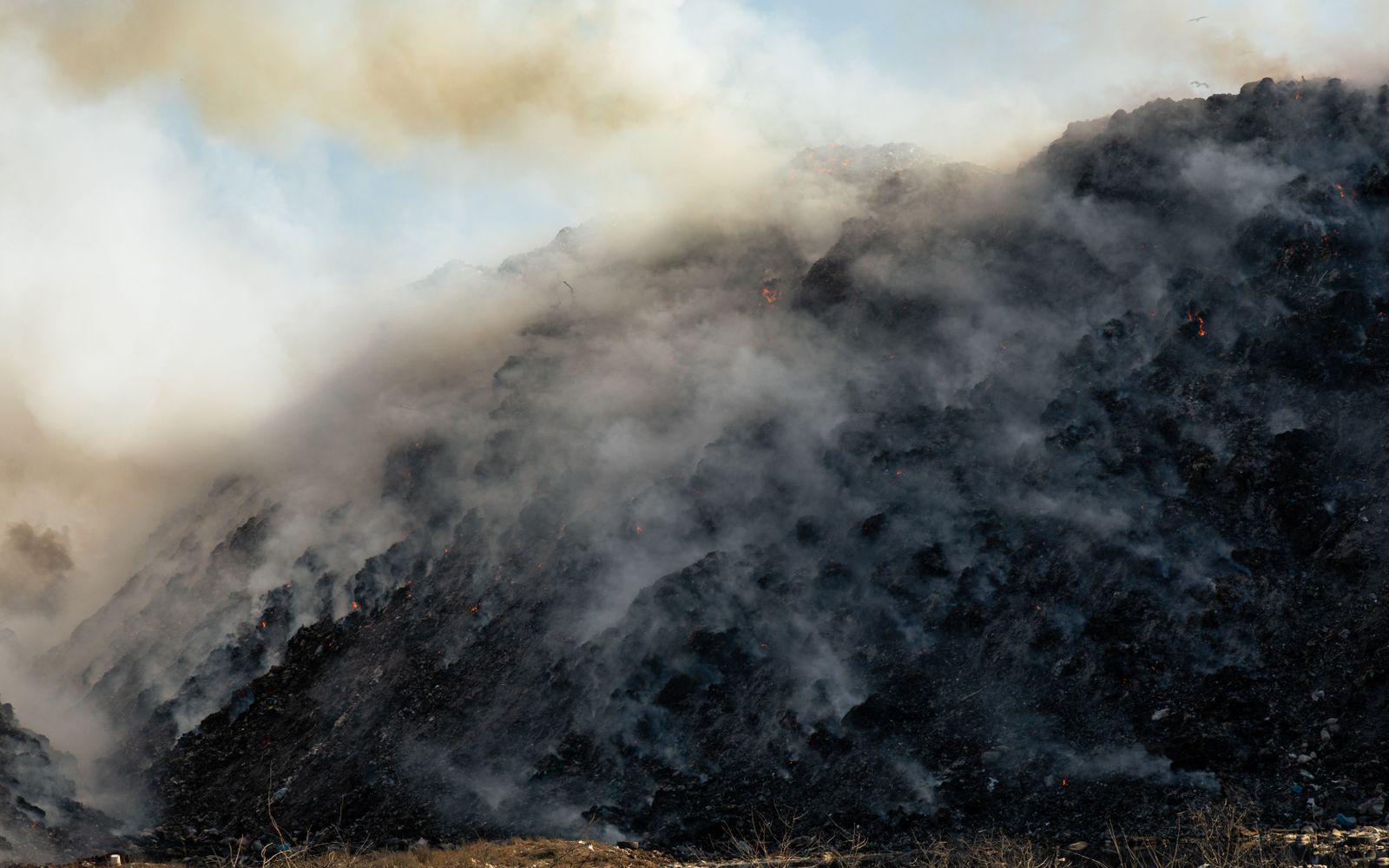
A busy day across the West. Two fires merged north of Reno, the deadly fire in British Columbia's Okanagan kept growing, and the Big Sur coast counted the cost of an evacuation order. Here's what was reported.
Two fires merged north of Reno
The Bug Fire started Saturday afternoon near the Nevada-California state line and later merged with the Fred Mountain Fire to the east. The combined fires have destroyed homes, forced thousands to evacuate, and burned more than 66,000 acres, the Reno Gazette-Journal reports.
The paper followed one couple in Reno's North Valleys, about 30 miles north of downtown, who stayed behind with a shovel and a garden hose to defend their 10-acre property and 45 animals. Shifting winds pushed the flames toward them, and three homes between the fire and their house were destroyed. Fire officials had not released a count of homes lost or the full extent of the damage.
British Columbia's fire grew overnight without wind
The wildfire near Okanagan Lake has forced about 20,000 people to flee and grew overnight even without strong winds, NBC News reports. The fire has destroyed homes, killed an 80-year-old woman, and burned toward Summerland, a community of about 12,000 people roughly 185 miles east of Vancouver.
One hundred firefighters from Mexico have joined the effort, bringing the total on the blaze to 193. Officials called it one of the largest evacuations in recent provincial history, secured 1,600 hotel rooms and 1,000 group-lodging spaces, and told another 10,000 people to be ready to leave on short notice. More than 100 fires were burning across British Columbia, with a warning that dry lightning could start more.
Big Sur's evacuation has a price tag
Nepenthe, a restaurant on the Big Sur coast, is under an evacuation order because of the Timber Fire. Every day it stays closed during its peak season is a $65,000 to $70,000 loss in sales, owner and general manager Kirk Gafill told Business Insider.
Gafill, who is also president of the Big Sur Chamber of Commerce, described the first few days of a fire as a kind of fog of war: official information in the first 72 to 96 hours is often delayed, incomplete, or inconsistent. It's a fair reminder to check more than one source when a fire is close to you, and to give official counts time to firm up.
California lawmaker pushes back on utility threats
The chair of the California Senate's utilities committee said Tuesday he was "deeply troubled" by electric company executives' recent threats to act to protect their shareholders if they don't get legislation limiting their wildfire liabilities, the Los Angeles Times reports.
In a letter to Southern California Edison and Pacific Gas & Electric, Sen. Benjamin Allen (D-Santa Monica) said he was considering calling the executives to an oversight hearing. Both utilities said the Times had mischaracterized the comments. Gov. Gavin Newsom and lawmakers are working on a package of wildfire bills.
What smoke does to people already managing illness
STAT published a first-person piece from a writer with several chronic conditions on how heat and wildfire smoke affect them, alongside the research behind it. The article notes that elevated levels of particulate matter — the main pollutant in wildfire smoke — worsen symptoms for lupus patients and are linked to new cases of rheumatoid arthritis.
It's a useful framing for smoke days: the same air that's an inconvenience for one person can be a genuine setback for a neighbor. If that's you or someone in your house, knowing the number before you head out matters more than usual.
More haze headed for the Northeast
Massachusetts should stay mostly dry Wednesday with highs in the low to mid-80s, but hazy skies are possible as another round of wildfire smoke drifts into the region, MassLive reports. The National Weather Service had no watches, warnings, or advisories in effect for the state.
Sources
- Reno man battles Bug wildfire as neighbors homes burn down — Reno Gazette-Journal
- Western Canada fights growing wildfires as thousands more told to be ready to leave — NBC News
- Big Sur's Nepenthe Losing $70,000 a Day in Sales in Timber Fire: Owner — Business Insider
- Senator 'deeply troubled' by utility threats — Los Angeles Times
- Climate change is deadly for people with chronic diseases — STAT
- Mass. weather: Pleasant summer conditions could give way to rain showers — MassLive
Canairy aggregates publicly reported air-quality and wildfire news and summarizes it in plain English, with links to the original sources. This is educational information, not medical or emergency advice. In a wildfire or air-quality emergency, follow guidance from local authorities.