Air quality news
Big Sur Evacuations Lifted and Washington's Recovery Request — August 19, 2026
Canairy · 4 min read · 2026-08-19
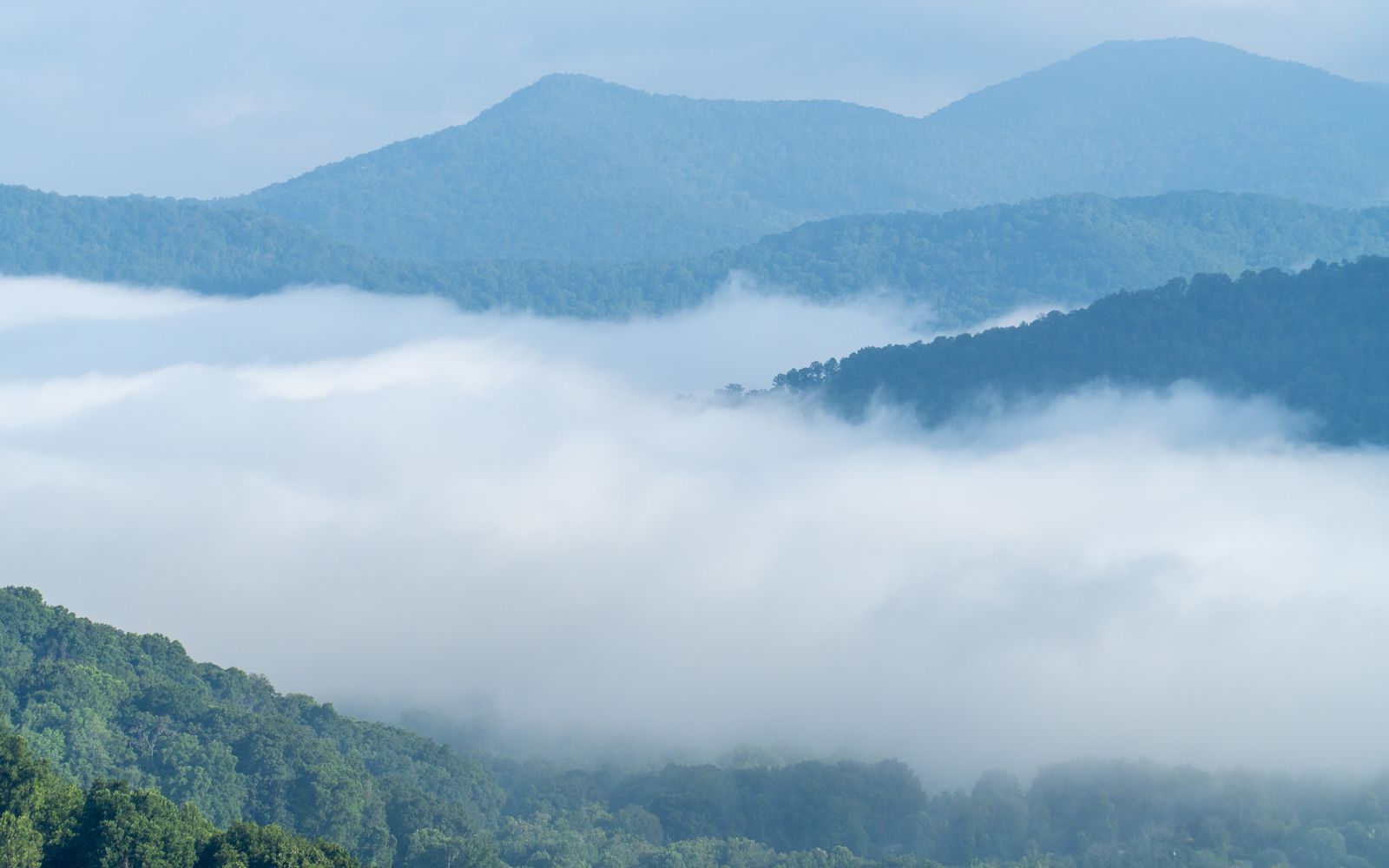
A quieter day on the fire lines than the last few weeks, with the news shifting from active flames to recovery, prevention and policy. Here is what was reported today.
Some Big Sur evacuation orders lifted as the Timber Fire holds steady
The Monterey County Sheriff's Office downgraded three evacuation orders tied to the Timber Fire, which has been burning since Aug. 8. Cal Fire said Tuesday morning that the fire has stayed relatively stable at around 5,000 acres, with containment up to 21%, and that structure protection along Highway 1 has gone well.
The three areas move to evacuation warnings, meaning residents should be ready to leave and have essentials gathered. The restaurant Nepenthe remains under an evacuation order and the road through Big Sur is still closed at the mile marker by the Big Sur Bakery, as The Mercury News reports. If you live near a fire that is trending better, warnings can still change quickly — it's worth checking your local agency directly rather than assuming.
Washington leaders ask Trump for a meeting on wildfire recovery
Gov. Bob Ferguson and U.S. Rep. Michael Baumgartner wrote to President Trump on Monday asking to meet about Washington's forthcoming request for federal recovery aid after this summer's fires. Nearly 800,000 acres have burned in the state this year, already one of its worst fire seasons on record.
In and around Spokane, more than 800 buildings were destroyed and tens of thousands of residents were ordered to evacuate when three fires broke out in early August. Other large fires burned across central and eastern Washington, with smoke at times drifting into the western half of the state, according to the Lewiston Morning Tribune.
PG&E tries new machinery to bury Sierra power lines faster
Pacific Gas and Electric is using a new trenching machine, the Bulldog Trencher, to speed up its work burying power lines in Placer County and other parts of the Sierra Nevada. The utility says undergrounding can nearly eliminate the risk of equipment-caused wildfires and improve reliability in severe winter weather.
The work is expensive — PG&E estimates about $3 million per mile — and the company says the new equipment could save as much as $40,000 a day. It expects to have undergrounded roughly 1,600 miles statewide by the end of 2026, including about 300 miles in Placer County, CBS News reports.
Forest Service moves to repeal the roadless rule
The U.S. Department of Agriculture filed a proposal on Aug. 18 to rescind the 2001 "roadless rule," which set aside more than 60 million acres of national forest and grassland from commercial logging and road construction. Forest Service Chief Tom Schultz said acting now is the best way to "reduce wildfire risk and secure the long-term health of our forests and neighboring communities."
Conservationists and some state officials disagree. Arizona Attorney General Kris Mayes, whose state has about 1,174,000 acres of roadless areas, called the effort "a public land grab by greedy corporate interests," the Arizona Republic reports.
New York City finds congestion pricing didn't move pollution levels
The New York City Health Department reported Friday that "measured pollution levels were not significantly different because of congestion pricing." Separately, the group South Bronx Unite published preliminary data suggesting air quality in their neighborhood has gotten worse, with traffic shifting as trucks and other vehicles route around the tolls.
That pattern — pollution moving rather than disappearing — was one of the outcomes flagged in the federal environmental review before the tolls took effect, as the New York Post writes in an opinion piece. Traffic policy tends to be felt very locally, which is why neighborhood-level readings can differ from a citywide average.
Sources
- Timber Fire: Some evacuation orders rescinded for Monterey County wildfire — The Mercury News
- Ferguson, Baumgartner seek meeting with Trump on WA wildfires — Lewiston Morning Tribune
- PG&E uses new tech to speed up Sierra power line undergrounding — CBS News
- Forest Service to repeal roadless rule, citing wildfire risk — The Arizona Republic
- Hochul's congestion pricing scam has only one 'success' left: Gouging drivers — New York Post
Canairy aggregates publicly reported air-quality and wildfire news and summarizes it in plain English, with links to the original sources. This is educational information, not medical or emergency advice. In a wildfire or air-quality emergency, follow guidance from local authorities.