Air quality news
California's Zone Zero Rules and Washington's Record Fire Bill — August 20, 2026
Canairy · 4 min read · 2026-08-20
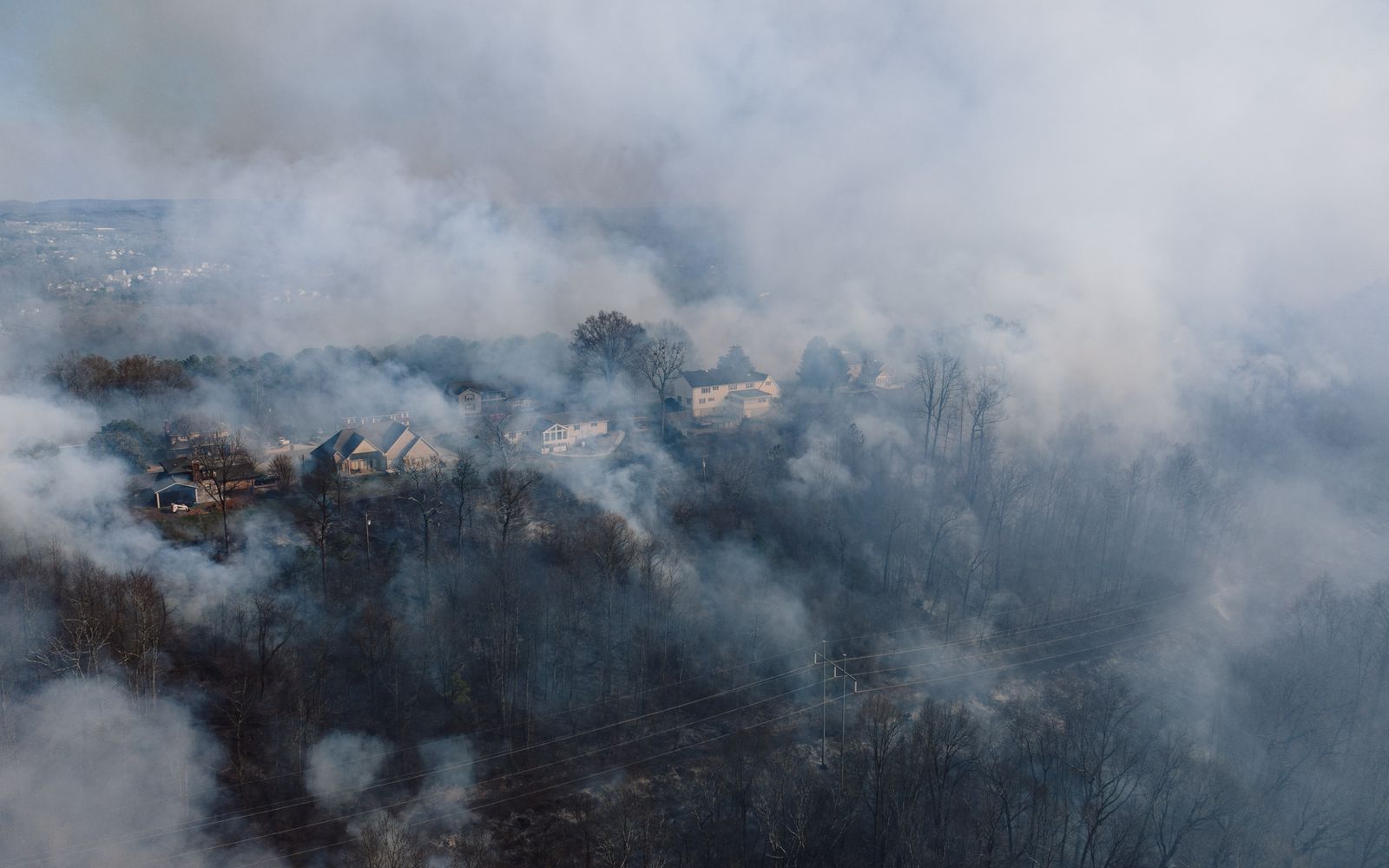
Today's news is mostly about what happens around the fire rather than in it: new rules for the five feet closest to a house, a state running through its firefighting budget, and a bill in Congress that smoke in Washington, D.C. helped push along.
California adopts the country's strictest rules for plants near homes
The California Board of Forestry and Fire Protection voted Wednesday to require homeowners in wildfire-prone areas to limit vegetation within five feet of their houses, NPR reports. The area is known as Zone Zero, and the rules come after years of debate and delay.
The final version is a compromise. Lawns, flowers and non-woody plants up to 18 inches tall are allowed unless they sit directly under the roofline, and trees are allowed as long as branches are trimmed five feet from the structure. The rules apply to new construction right away and phase in for existing homes, affecting almost 2 million houses in high-risk areas. State regulators say more than 57,000 homes and buildings have been destroyed in California in the last decade.
Washington is on pace for a record firefighting bill
Washington state will likely set a new record for wildfire-fighting spending this fiscal year, topping the estimated $285.9 million spent last year, according to the Spokesman-Review. As of Aug. 11, agencies had spent an estimated $207 million on 20 fires since July 1.
More than 791,000 acres have burned in the state this year, the third most in its history. The largest active fire, Sinlahekin, has burned more than 154,000 acres. A Department of Natural Resources spokesperson said large fires can cost upwards of $1 million a day, and noted there are still roughly two months left in the 2026 season.
Smoke over Washington, D.C. gives a wildfire bill new momentum
Wildfire smoke drifting into the capital from the Western U.S. and Canada this summer has made wildfire policy harder for lawmakers to set aside, as CQ-Roll Call reports. A bipartisan Senate Agriculture Committee-approved bill aimed at reducing the conditions that fuel fires is now looking to the annual defense authorization bill as a vehicle.
The story notes 21 large fires burning in Oregon, 12 in Washington and nine in Montana as of Tuesday, per the National Interagency Fire Center. It also reports that the Agriculture Secretary took initial steps this week toward repealing a 25-year-old rule limiting road construction on about 45 million acres of national forestland, a move environmental groups oppose.
Montana's Flathead Valley opens clean air centers to the public
Three community Clean Air Centers in Kalispell, Columbia Falls and Whitefish are holding pop-up open houses Aug. 24-28, the Daily Inter Lake reports. The centers are public spaces where people can get out of smoke and heat, and they upgraded their air filtration this summer.
Indoor conditions at the three centers are monitored in real time on PurpleAir's public map alongside nearby outdoor readings. If you live somewhere smoky, it is worth knowing before a bad week whether your town has a space like this.
Two Boundary Waters entry points reopen next week
The Superior National Forest will reopen two Boundary Waters Canoe Area Wilderness entry points along the Echo Trail on Tuesday, Aug. 25, after weeks of wildfire closures, FOX 9 reports. More than 1,600 campsites are now open as part of a phased reopening.
Fire operations continue along the corridor, and land along the northern part of the Echo Trail remains closed. The Forest Service says reopening plans may change if fire activity picks up, so it is worth rechecking before a trip.
Sources
- California passes toughest wildfire rules in the U.S. for home landscaping — NPR
- Washington burning through it wildfire budget fighting 'large and costly fires' — Spokane Spokesman-Review
- Wildland firefighting bill gains steam as smoke reaches Congress — Hartford Courant
- Clean air centers host open houses — Kalispell Inter Lake
- BWCAW Echo Trail access expands Aug. 25 as 2 entry points reopen after wildfire closures — FOX 9
Canairy aggregates publicly reported air-quality and wildfire news and summarizes it in plain English, with links to the original sources. This is educational information, not medical or emergency advice. In a wildfire or air-quality emergency, follow guidance from local authorities.