Air quality news
Hawk Fire Reaches Reno's Edge and a Utah Fire Season Poll — August 23, 2026
Canairy · 4 min read · 2026-08-23
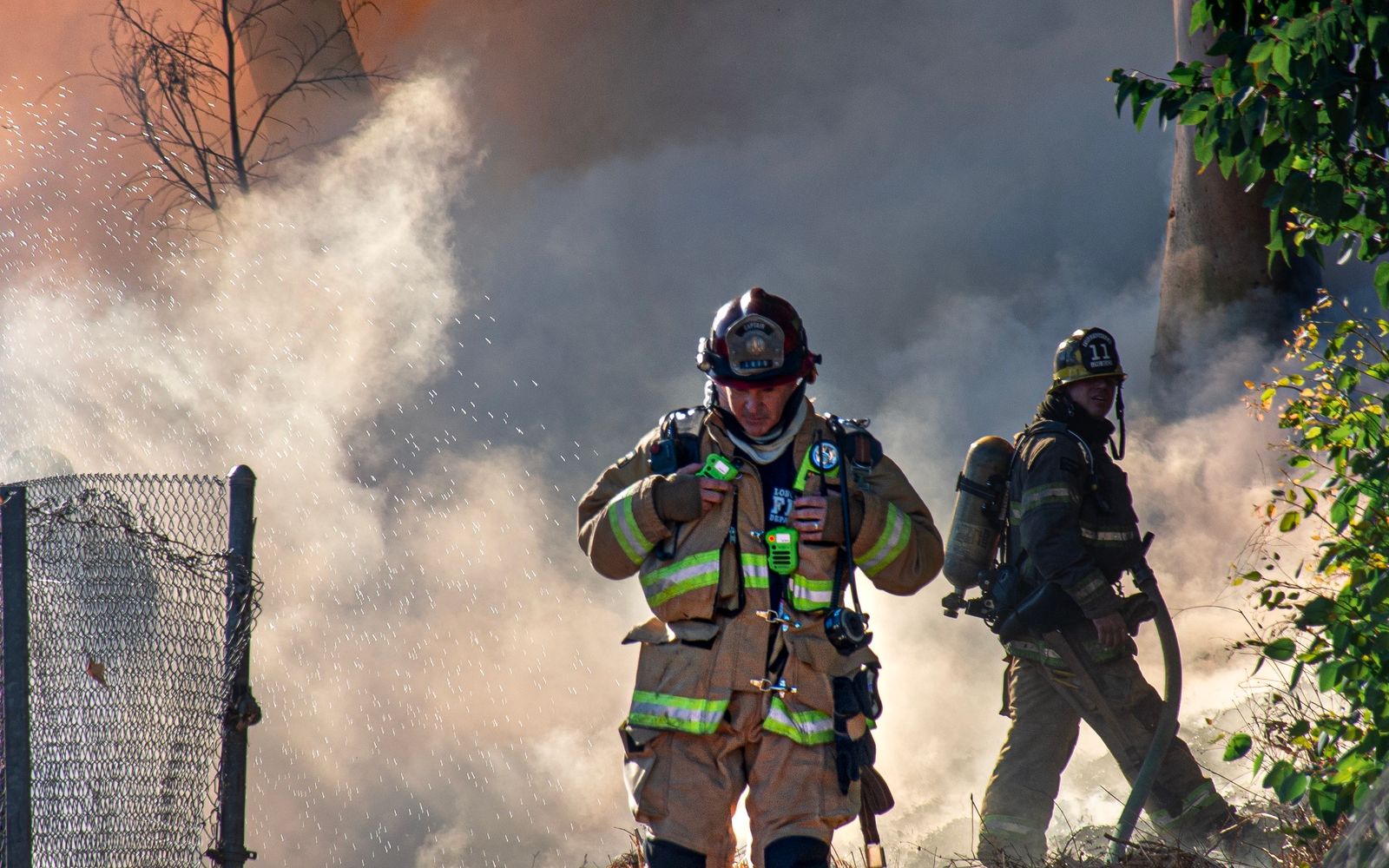
A fast-moving wildfire reached the edge of a major city overnight. The Hawk Fire's run toward Reno leads today's roundup, along with new polling on how Utahns are weathering their worst fire season on record, research on what smoke does to lakes, and a close call in Arkansas.
Hawk Fire pushes into Reno, nearly 14,000 homes ordered to evacuate
The wind-driven Hawk Fire spread from the Sierra foothills toward the center of Reno, Nevada, growing to more than 10,500 acres, as the Associated Press reports. Nearly 14,000 homes were ordered to evacuate, with the "go now" zone reaching the edge of the University of Nevada campus.
Governor Joe Lombardo declared a state of emergency in Washoe County and mobilized the Nevada National Guard, including two helicopter crews for aerial firefighting. About 400 personnel from local, state and federal agencies are working the fire, which has been fueled by strong gusty winds, low humidity and dry vegetation since it started Saturday. If you're anywhere near an active evacuation zone, the safest move is to follow official orders promptly — homes can be replaced.
Poll: 93% of Utahns concerned about the state's worst fire season on record
Utah's 2026 fire season — 843 fires burning more than half a million acres — is shaping up to be the state's worst ever, and a new Deseret News/Hinckley Institute poll shows how deeply residents are feeling it, as the Deseret News reports. Ninety-three percent of registered voters said they were very or somewhat concerned about the fires.
The health toll shows up in the numbers too: just under half of respondents reported symptoms like coughing, trouble breathing or irritated eyes, nearly two out of three limited their time outdoors this season, and a fifth bought air purifiers, filters or masks. One researcher noted Utah has never before had three fires at or near 100,000 acres in the same year.
Wildfire smoke doesn't just cloud the sky — it settles into lakes
Scientists studying "smoke ecology" are finding that wildfire smoke affects water bodies far from any flames, as the Coeur d'Alene Press reports. Smoke carries particles, heavy metals and even bacteria and fungi hundreds or thousands of miles, depositing some of that material into lakes and rivers as it passes over.
A study led by a University of Nevada, Reno researcher found smoke affects roughly 270,000 lakes per year across the United States. The piece notes North Idaho has already seen some of its worst air quality days in recent record this summer as regional fires send smoke across the Northwest.
Storm-sparked fire extinguished near Little Rock as burn ban holds
Firefighters put out a wildfire near Interstate 40 in North Little Rock on Saturday evening, thought to have been sparked by electrical lines during a thunderstorm, as the Arkansas Democrat-Gazette reports. Forestry crews checked whether a firebreak was needed to keep heat or embers from spreading into Burns Park.
Officials cautioned that even after Saturday's rain dampened the surface, the grass, pine straw and vegetation underneath remain extremely dry and can carry fire quickly. Pulaski County remains under a burn ban.
Sources
- Hawk Fire nears Reno, Nevada, with thousands ordered to evacuate — The Associated Press
- New poll: Inside the 2026 wildfire season and how Utahns feel about it — Salt Lake City Deseret News
- OUR GEM: How wildfire smoke can affect aquatic ecosystems — Coeur d'Alene Press
- Firefighters extinguish North Little Rock blaze near Burns Park exit off Interstate 40 — Arkansas Online
Canairy aggregates publicly reported air-quality and wildfire news and summarizes it in plain English, with links to the original sources. This is educational information, not medical or emergency advice. In a wildfire or air-quality emergency, follow guidance from local authorities.