Air quality news
North Texas Ozone Alert, Ross Fire and a Cleveland Smog Suit — August 28, 2026
Canairy · 5 min read · 2026-08-28
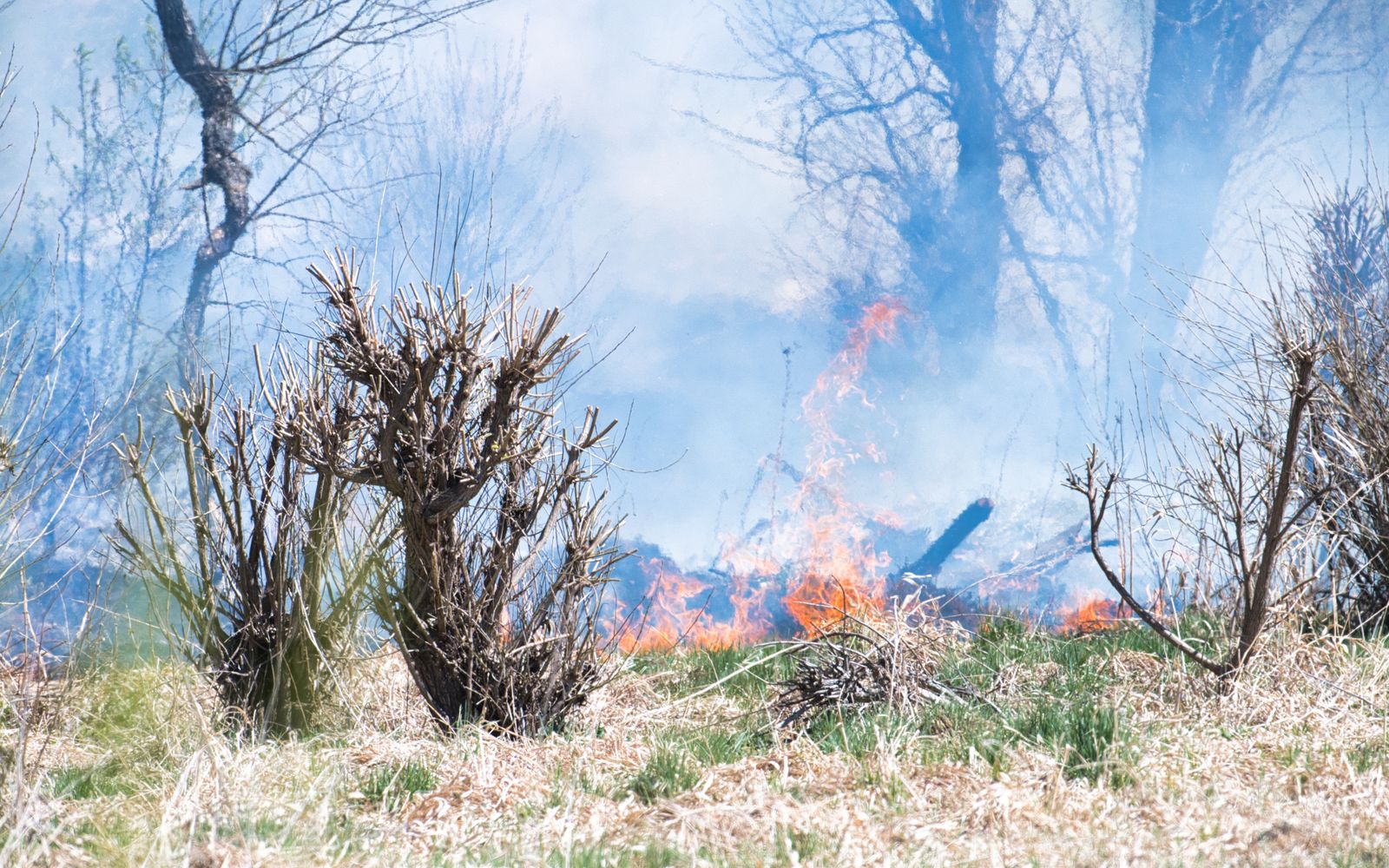
North Texas is carrying two separate air problems at once today: a fire that keeps growing and an ozone alert that has nothing to do with it. Here's what was reported.
The Ross Fire is now North Texas's second-largest on record
As of Friday morning the Ross Fire had burned more than 85,000 acres in Palo Pinto and Jack counties and was about 26% contained, FOX 4 News reports. Better weather on Thursday helped crews make progress. United Cooperative Services said 325 power poles have been damaged or knocked down, and about half have been replaced. No injuries have been reported, and the cause is still unknown.
The fire started Monday in Palo Pinto County, about 100 miles west of Dallas, and spread quickly in extreme heat, dry vegetation and gusting winds, according to The Dallas Morning News. Crews spent Thursday on the western flank after a wind shift threatened communities near Possum Kingdom Lake and State Highway 16. Officials don't yet have a full list of destroyed structures, though the Longhorn Council of Scouting America reported catastrophic damage at Worth Ranch, a 97-year-old Scouting camp.
The North Texas air quality alert is about ozone, not smoke
The National Weather Service issued an Air Quality Alert for most of North Texas on Friday because conditions favor high ground-level ozone, FOX 4 reports. Highs will run from the upper 90s to low 100s through the weekend with very little rain, and the poor air quality is expected to remain a concern for the next few days.
CBS News Texas explains that the alert is driven by the ozone layer rather than the fire: with little vertical mixing in the atmosphere, ozone builds up at the surface. People with respiratory or heart conditions are advised to limit time outdoors. Winds from the east at around 5 mph will push the Ross Fire's smoke westward. It's worth knowing which one you're dealing with, because ozone and smoke behave differently — an indoor filter that catches smoke particles does nothing for ozone.
A fire flares north of Lewiston, Idaho
The Mile Marker 320 Fire flared up along U.S. Highway 95 about 8 miles north of Lewiston on Thursday afternoon, the Lewiston Morning Tribune reports. The Idaho Department of Lands said the uncontained fire had scorched about 80 acres and threatened roughly 15 structures.
Highway 95 was temporarily closed and later reduced to one direction of blocked lanes. The Nez Perce County Sheriff's Office issued a "ready" evacuation notice — meaning residents should stay aware and informed — for an area between mile markers 317 and 320. About 80 people from the Nez Perce Tribe, the U.S. Forest Service, the Idaho Department of Lands and the Genesee Rural Fire Department are working the fire, with helicopters and single-engine air tankers dropping water and retardant.
Environmental groups sue the EPA over Cleveland smog
The Natural Resources Defense Council, Ohio Environmental Council and Sierra Club filed suit Thursday in the U.S. Court of Appeals for the Sixth Circuit over the EPA's decision to declare Cleveland in compliance with federal smog standards, cleveland.com reports. It was the second federal lawsuit filed this week challenging the agency's handling of air pollution in the Cleveland area.
Scented cleaning products make a lot of tiny particles
Researchers at Purdue University tested conventional cleaners and botanical disinfectants containing essential oils inside a trailer-sized "tiny house lab," measuring what cleaning sprays, wipes and fluids do to indoor air, Gizmodo reports. Terpenes, the oily compounds behind those products' scents, react readily with indoor ozone and form nanoparticles between 1 and 30 nanometers across. Depending on the product and how it was used, billions and sometimes trillions of these particles were produced.
Lead researcher Brandon Boor said the reactions "produce nanoparticles that carry a respiratory dose comparable to or greater than what you would experience from standing outside along a busy road," while noting that cleaning still removes viruses and bacteria from surfaces. Opening a window while you clean is an easy hedge on days when the outdoor air is good.
Sources
- Ross Fire is now the second-largest wildfire ever in North Texas — FOX 4 News
- Efforts to contain the Ross fire continue in North Texas — The Dallas Morning News
- Dallas Weather: Sunny and hot weekend with poor air quality — FOX 4 News
- Air quality alert in effect as North Texas faces dry, hot weekend amid wildfires still burning — CBS News
- Fire flares in Hatwai Canyon — Lewiston Morning Tribune
- Lawsuits challenge EPA decisions on Cleveland-area smog: Capitol Letter — cleveland.com
- If You Hate Scented Cleaning Products, Prepare to Feel Hugely Vindicated — Gizmodo
Canairy aggregates publicly reported air-quality and wildfire news and summarizes it in plain English, with links to the original sources. This is educational information, not medical or emergency advice. In a wildfire or air-quality emergency, follow guidance from local authorities.