Air quality news
A UN Warning on Wildfire Smoke and Sarawak's Haze Emergency Lifted — September 7, 2026
Canairy · 5 min read · 2026-09-07
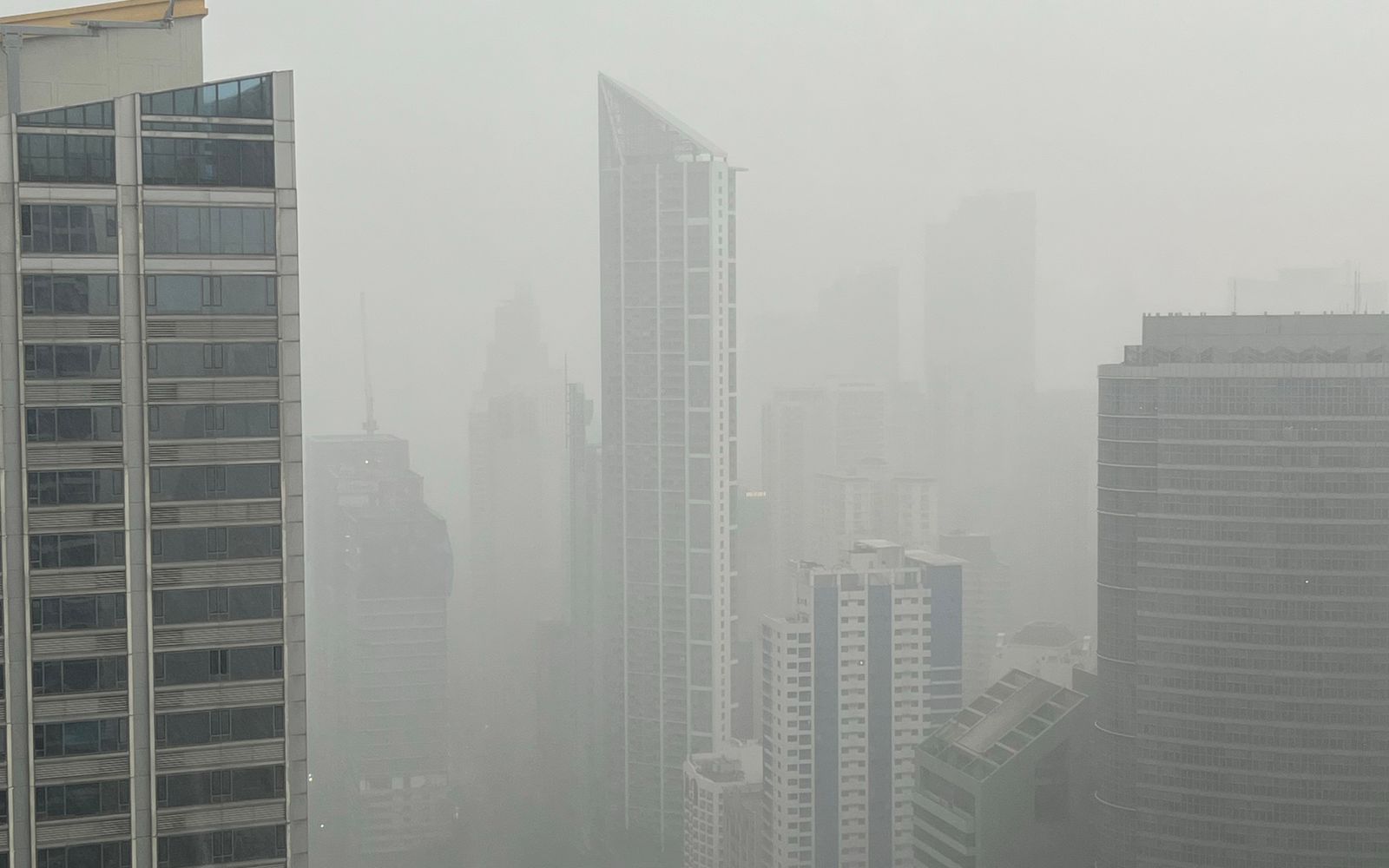
A global report and a regional haze emergency both landed on the same idea today: smoke from fires is becoming a bigger share of the air people breathe, even in places that have cleaned up their industry and traffic.
The UN says wildfire smoke is undoing air quality gains
The World Meteorological Organization published its annual report on air quality and climate on Monday, warning that pollution from increasingly intense wildfires and heat waves could undermine global efforts to improve air quality. The agency said meeting the World Health Organization's air quality guidelines will get harder as extreme wildfires become more likely.
The report singles out fine particulate matter, known as PM2.5, and ground-level ozone as the pollutants of concern, and notes that wildfires are a growing source of pollution even where regulations have cut emissions from industry and transport. "No matter how clean your city or your region is ... if you have a lot of pollution brought about by wildfires, that has the potential to negatively impact air quality in those regions as well," WMO scientific officer Lorenzo Labrador told Reuters. PM2.5 levels in 2025 ran above long-term averages in northern Canada, parts of Russia and western-central Africa because of fire activity.
Malaysia lifts the Sarawak emergency, but the air is still poor
Malaysia has lifted the emergency declaration in the Serian district of Sarawak after air quality readings dropped back below hazardous levels, the Prime Minister's Office said Monday. Health risks remain, and Reuters reports the air quality there is still poor.
The emergency was declared Friday after thick haze from fires in the Indonesian part of Borneo pushed pollution to hazardous levels, closing schools in parts of the state. Readings falling out of the worst band is good news, but "better than hazardous" is not the same as clean.
California's wildfire liability fight is already costing spending
PG&E said it plans to cut about $2 billion from its 2027 investments, citing the financial burden of California's wildfire liability rules. The announcement came just after lawmakers ended their session without a deal on who pays when utility equipment starts a catastrophic fire, as the New York Post reports. Assemblywoman Cottie Petrie-Norris, who chairs the Assembly Utilities and Energy Committee, said the pullback could hit infrastructure work on poles, wires and sensors.
The bill's collapse was unusual: the governor and both legislative leaders had negotiated a compromise, and one house refused to bring it to a vote. As the Los Angeles Times lays out, the unresolved question is who absorbs the cost when a for-profit utility's equipment ignites a blaze — investors, ratepayers, insurers, or premium payers.
Maine's fire season is quietly getting busier
New England rarely features in national wildfire coverage, but the Portland Press Herald reports that drier conditions and cuts to federal resources have officials worried about their capacity to fight fires. Severe drought quadrupled Maine's late-summer fire activity in 2025, and a 2024 drought quintupled Connecticut's fall wildfires, with one firefighter dying while controlling a blaze.
Most New England wildfires are started by human activity rather than lightning, according to Terri Teller of the Maine Forest Service, and regular rainfall has historically kept fuels damp. Northeast readers who think of smoke as a Western problem may want to keep an eye on fall conditions this year.
California is getting a statewide fire information app
State fire officials noticed that roughly 75 million people visited Cal Fire's website during the January 2025 Eaton and Palisades fires, and about 85% of them were on mobile devices. The result is AwareCA, a free app built and owned by the public safety software company Intterra that delivers fire information verified by first responders, as the San Diego Union-Tribune reports.
More than 60 fire agencies have signed on, with another 60 in progress; if all 120 join, the app would cover about 75% of the state's population. The official launch is expected later this month.
Sources
- Wildfires, heat waves threaten to undermine air quality, UN weather agency says — Reuters
- Malaysia lifts emergency declaration in Sarawak district as fire haze eases, though air quality still poor — Reuters
- PG&E cuts $2 billion in planned spending over wildfire liability fight — New York Post
- Wildfire bill flameout sad for California — Los Angeles Times
- Maine's wildfire threat is quietly heating up — Portland Press Herald
- New app to provide California wildfire updates to the public directly from fire agencies — Hartford Courant
Canairy aggregates publicly reported air-quality and wildfire news and summarizes it in plain English, with links to the original sources. This is educational information, not medical or emergency advice. In a wildfire or air-quality emergency, follow guidance from local authorities.