Air quality news
Ohio's E-Check Debate, Steelton Fumes and PG&E Fire Survivors — October 1, 2026
Canairy · 4 min read · 2026-10-01
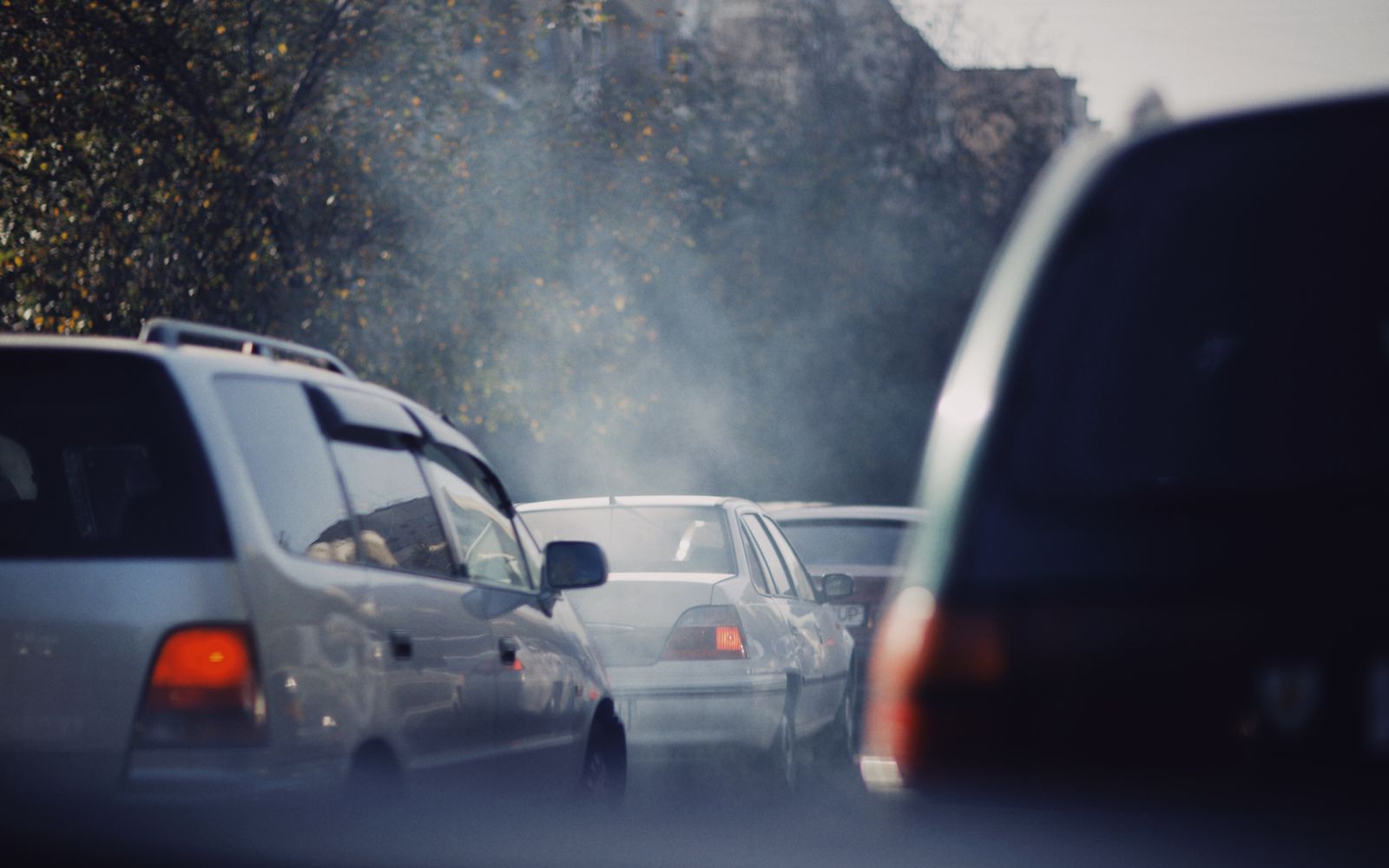
Today's news leans toward the long view: what happens to clean air once a region meets the standard, how old industrial land affects neighbors, and how wildfire survivors are still being made whole years later.
Ohio weighs ending E-Check after a narrow win
Gov. Mike DeWine has asked the Ohio EPA to begin ending vehicle emissions testing in seven Northeast Ohio counties now that the region has met federal air-quality standards, cleveland.com reports. The program has run for three decades.
The margin was thin. Hosts of the outlet's Today in Ohio podcast noted the region's three-year average reached the 70 parts per billion standard only after regulators excluded three days in June 2023 when Canadian wildfire smoke pushed pollution higher. Without that exclusion, the figure was 71.
Steelton residents report fumes near a warehouse site
Pennsylvania's DEP is looking into air quality at the Steelton Terminal warehouse project, according to PennLive. The 137-acre complex is being built partly on land that once served as a Bethlehem Steel dumping ground.
Residents of Steelton's East End say their neighborhood has been choked with noxious fumes at various points this summer as pre-construction work turned the ground. Many had opposed the project from the start because of its closeness to homes.
Newsom signs bill for PG&E fire survivors
Gov. Gavin Newsom signed AB 2700, which requires the California Public Utilities Commission to identify pathways to full compensation for victims of PG&E-sparked wildfires from 2015 through 2018, the Santa Rosa Press Democrat reports. That covers the 2015 Butte Fire, the 2017 North Bay firestorm, and the 2018 Camp Fire.
The survivors' fund that came out of PG&E's 2019 bankruptcy has left victims $5 to $6 billion short of what was owed, according to the report.
A reader letter on fuel-economy rules and air
In a letter to the Los Angeles Times, a retired pediatrician argues that new federal fuel-economy standards, which target a fleetwide average of 34.9 miles per gallon by model year 2031 instead of 50.4, will worsen air pollution. The letter cites public health groups, including the American Lung Association, warning that less efficient vehicles will lower air quality and especially affect children.
Hawk Fire families found help in Reno
The Reno Gazette-Journal tells how Jeremy Renner's RennerVation Foundation helped foster families displaced when the Hawk Fire forced thousands of evacuations in northwest Reno on Aug. 22. One family spent the night at the Reno-Sparks Convention Center shelter after finding no hotel rooms.
A go-bag ready by the door makes a sudden evacuation a little easier.
Sources
- After 30 years, E-Check did its job. That may be the best argument for keeping it — cleveland.com
- DEP investigates air quality at Steelton warehouse construction site — PennLive
- Newsom signs bill to pave way for full compensation for Northern California wildfire survivors — Santa Rosa Press Democrat
- Weakened fuel-economy standards are bad for our lungs and skies — Los Angeles Times
- Jeremy Renner doubled down on helping foster kids during Reno wildfire — Reno Gazette-Journal
Canairy aggregates publicly reported air-quality and wildfire news and summarizes it in plain English, with links to the original sources. This is educational information, not medical or emergency advice. In a wildfire or air-quality emergency, follow guidance from local authorities.