Air quality news
Chicago Stagnant Air and Sonoma Prescribed Burn Smoke — October 23, 2026
Canairy · 4 min read · 2026-10-23
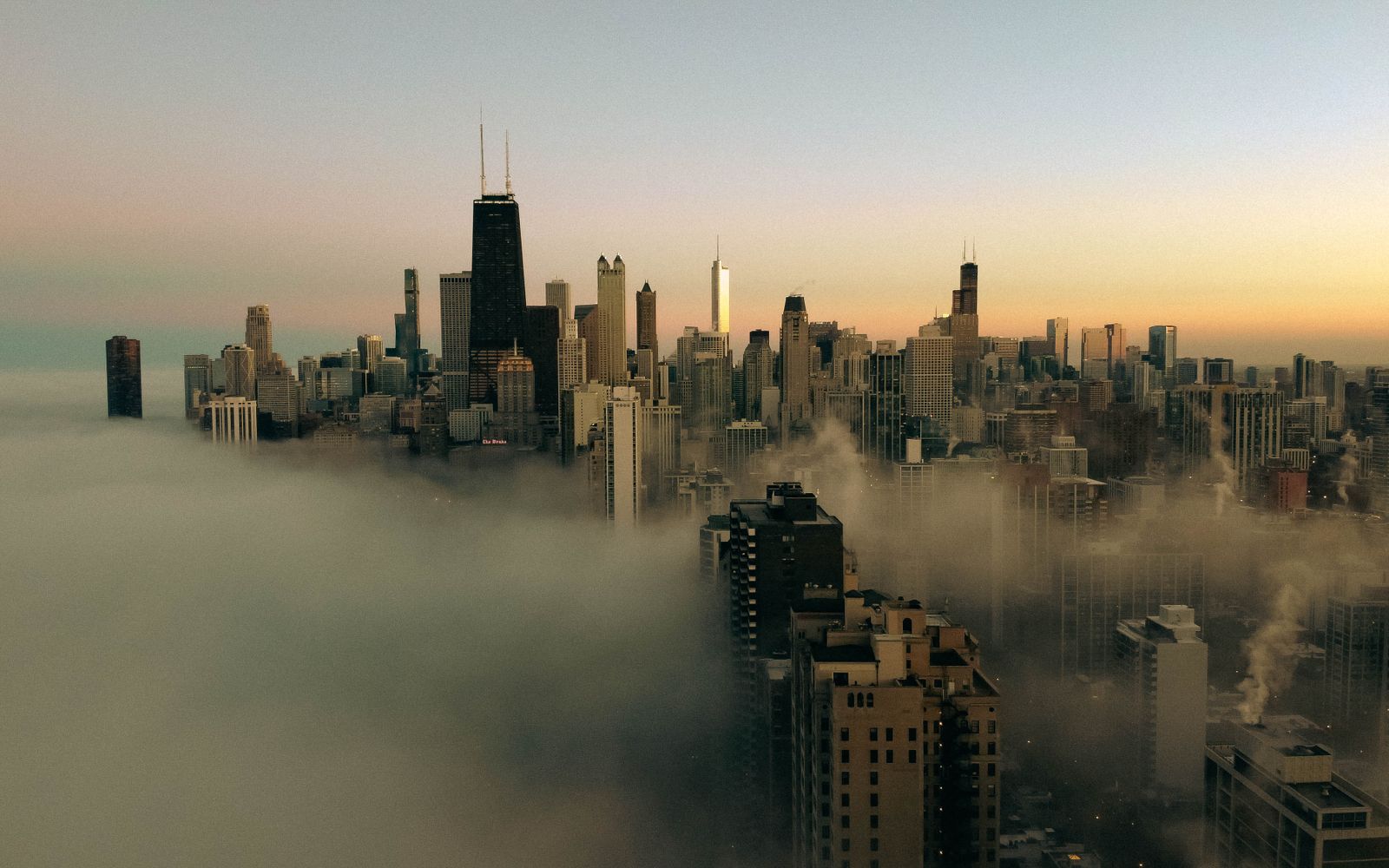
Today's air news runs from a foggy, still morning around Chicago to a debate over smoke from planned burns in Northern California. There's also a reminder from Cal Fire that a little rain doesn't end fire season, and new research on how people respond to smoke advisories.
Stagnant air and fog around Chicago
Parts of the Chicago area woke up Friday to air rated "unhealthy for sensitive groups," NBC 5 Chicago reports. As of 6 a.m., AirNow showed that level in parts of Cook and DuPage counties, including Tinley Park, Elmhurst, Downers Grove, Oak Lawn, Frankfort and Chicago Heights. Elsewhere, air quality was moderate.
NBC 5 meteorologist Iisha Scott said ozone wasn't the cause. "It's primarily due to stagnant air," she said, with fog and light winds adding to it. A dense fog advisory was also in effect Friday morning, and Scott said moderate air quality was expected to last through the weekend. On still, hazy days like this, people sensitive to pollution may want to keep strenuous outdoor activity lighter.
Sonoma County weighs smoke from prescribed burns
An editorial in the Santa Rosa Press Democrat argues that prescribed burns are worth the smoke, after two recent burns went wrong. On Oct. 6, a nearly 90-acre burn at Carrington Coast Ranch Regional Park near Bodega Bay sent smoke farther inland than expected when winds shifted, causing hazardous air quality in places. Sonoma County Regional Parks is reviewing its prescribed burning program.
Ten days later, a burn on private land at Cooley Ranch in Mendocino County, north of Lake Sonoma, jumped a ridgetop road and became a wildfire. The paper reports it had burned more than 1,300 acres by Tuesday and sent smoke across Sonoma County; Cal Fire, which did not conduct the burn, is investigating. The editorial notes that smoke carries real health risks, especially for children, older adults and people with heart or lung conditions, but that prescribed-burn smoke is short-lived compared with a major wildfire's.
Cal Fire: foothill rain hasn't lowered fire risk
Rain reached the Sierra foothills this week, but Cal Fire says it hasn't reduced wildfire risk, CBS News Sacramento reports. "It's just a dusting," said Nick Salas, a battalion chief with Cal Fire's Nevada-Yuba-Placer Unit, adding that it will take time for moisture to get into local vegetation.
Officials say more sustained rain is needed before conditions improve enough to meaningfully reduce fire concerns. Auburn residents welcomed the wet weather, and one, who lost her home in the 2018 Camp Fire, said she keeps a go bag ready.
Montrealers changed travel only a little during smoke advisories
A new McGill University study looked at how Montrealers moved around on 27 days between 2022 and 2025 when smoke-related air quality advisories were in effect, the Environmental News Network reports. On those days, bikeshare trips fell 5.8 percent, while bus ridership rose 6.7 percent and metro ridership rose 4.7 percent.
"While people moved from open-air travel into enclosed modes, which is what the bulletins ask for, the size of the change was small," said co-author Daniel Romm.
Aspen Fire signs on for AI-driven firefighting drones
The Aspen Fire Department is entering a five-year contract for five AI-driven aircraft to help fight wildfires, The Aspen Times reports, the first time a U.S. fire department has acquired an autonomous aerial suppression system. The drones, from the startup Seneca, fly to a reported fire location, use sensors to find hotspots, and drop water or retardant on them.
The paper reports the drones could help with a local gap in nighttime aerial firefighting, keeping suppressant on an active fire overnight without putting firefighters on the ground.
Sources
- Chicago-area air quality 'unhealthy for sensitive groups' amid fog — NBC 5 Chicago
- PD Editorial: Prescribed burns are worth the smoke — Santa Rosa Press Democrat
- Cal Fire says wildfire risk remains despite recent rainfall in foothills — CBS News
- Study Finds Air Quality Warnings Had Only a Modest Impact on Montrealers' Movements — Environmental News Network
- Aspen Fire pioneering wildfire fighting with AI software — The Aspen Times
Canairy aggregates publicly reported air-quality and wildfire news and summarizes it in plain English, with links to the original sources. This is educational information, not medical or emergency advice. In a wildfire or air-quality emergency, follow guidance from local authorities.