Air quality news
Indonesia Fire Haze, North Jersey Smoke and School Air Filters — October 31, 2026
Canairy · 4 min read · 2026-10-31
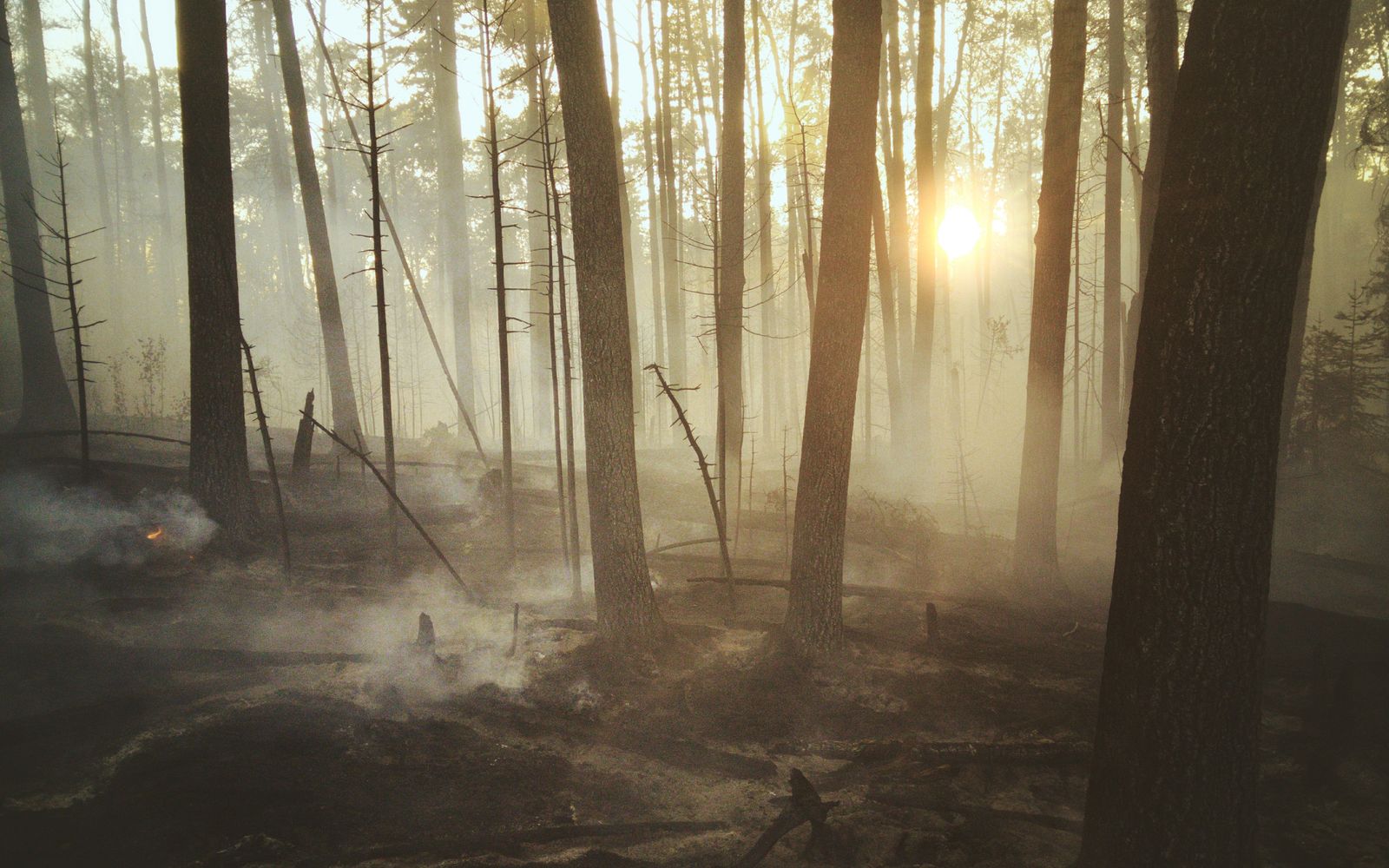
Today's roundup covers months of fire haze in Southeast Asia, a hazy Friday in northwest New Jersey, new research on smoke at schools, a court ruling on a Mississippi power plant, and a smoggy October in Mumbai.
Indonesia's fires blanket Southeast Asia in smog
Wildfires in Indonesia have been sending toxic smog across the country and neighboring Southeast Asian nations since July, NBC News reports. Heat and drought made worse by a "super" El Niño have made this the country's worst fire season in over a decade, and the haze has closed schools in multiple countries.
Residents in central Kalimantan describe skies in shades of yellow and orange, with smoke getting indoors even with windows shut. On Wednesday, hundreds of students and civil society groups protested in Jakarta and other cities, calling for independent investigations and a long-term prevention plan. The government said it recognized their concerns and is prosecuting companies linked to the fires.
Haze pushes North Jersey air into the unhealthy range
Hazy skies hung over parts of North Jersey on Friday, NorthJersey.com reports. An AirNow Fire and Smoke Map monitor in Sussex reached a PM2.5 AQI of 105 Friday morning, which is unhealthy for sensitive groups.
NOAA satellite analysis detected light smoke over parts of Sussex, Warren, Morris and Passaic counties on Thursday, but the exact source of Friday's elevated readings had not been confirmed. Satellite smoke can sit high in the atmosphere, so it doesn't always match what people breathe at ground level. On hazy days, a nearby ground monitor is the better guide.
Smoke days at U.S. schools rose nearly eightfold
A new Oregon State University study finds that the average number of smoke days at U.S. public schools rose from 6.8 to 54.4 per year between 2006 and 2023, the Spokesman-Review reports. Childcare centers saw a similar jump, from 9.4 to 112.2 days.
Lead researcher Molly Kile noted that fine particles from wildfires travel hundreds to thousands of miles downwind, so the problem isn't limited to the West. She also said staying indoors isn't always enough, because indoor air depends on how well a building keeps outdoor smoke out. The researchers say schools need more air filtration.
Court keeps air pollution lawsuit against xAI alive
A federal court in northern Mississippi denied xAI's motion to dismiss a Clean Air Act lawsuit brought by the NAACP, according to Europe Says. The suit concerns an unpermitted gas-turbine power plant that supports the company's Colossus 2 data center.
The court rejected xAI's arguments that citizen suits are unconstitutional and that its turbines were exempt, finding the plant is not a "mobile source" and is subject to permitting requirements. The ruling came shortly after the court denied a similar motion from the U.S. Department of Justice.
Mumbai's sea breeze stops shielding it from smog
Mumbai had unusually hazy skies for much of October, Bloomberg reports. The city's average daily AQI more than doubled to 102 through October 27, up from 45.4 in September, according to Bloomberg's analysis of Central Pollution Control Board data.
Coastal winds have long protected India's financial capital from the worst pollution seen in northern cities. This month, Mumbai even ranked as India's most polluted city in live readings from IQAir.
Sources
- Indonesia wildfires and toxic smog choke Southeast Asia — NBC News
- Why is the air quality bad in NJ today? — NorthJersey.com
- Schools need more air filtration to protect youth from wildfire smoke, OSU study finds — Spokane Spokesman-Review
- Court Denies xAI's Motion to Dismiss Air Pollution Lawsuit Against Elon Musk's company — Europe Says
- Indian Financial Hub's Coastal Edge Fades as Pollution Surges — Bloomberg
Canairy aggregates publicly reported air-quality and wildfire news and summarizes it in plain English, with links to the original sources. This is educational information, not medical or emergency advice. In a wildfire or air-quality emergency, follow guidance from local authorities.